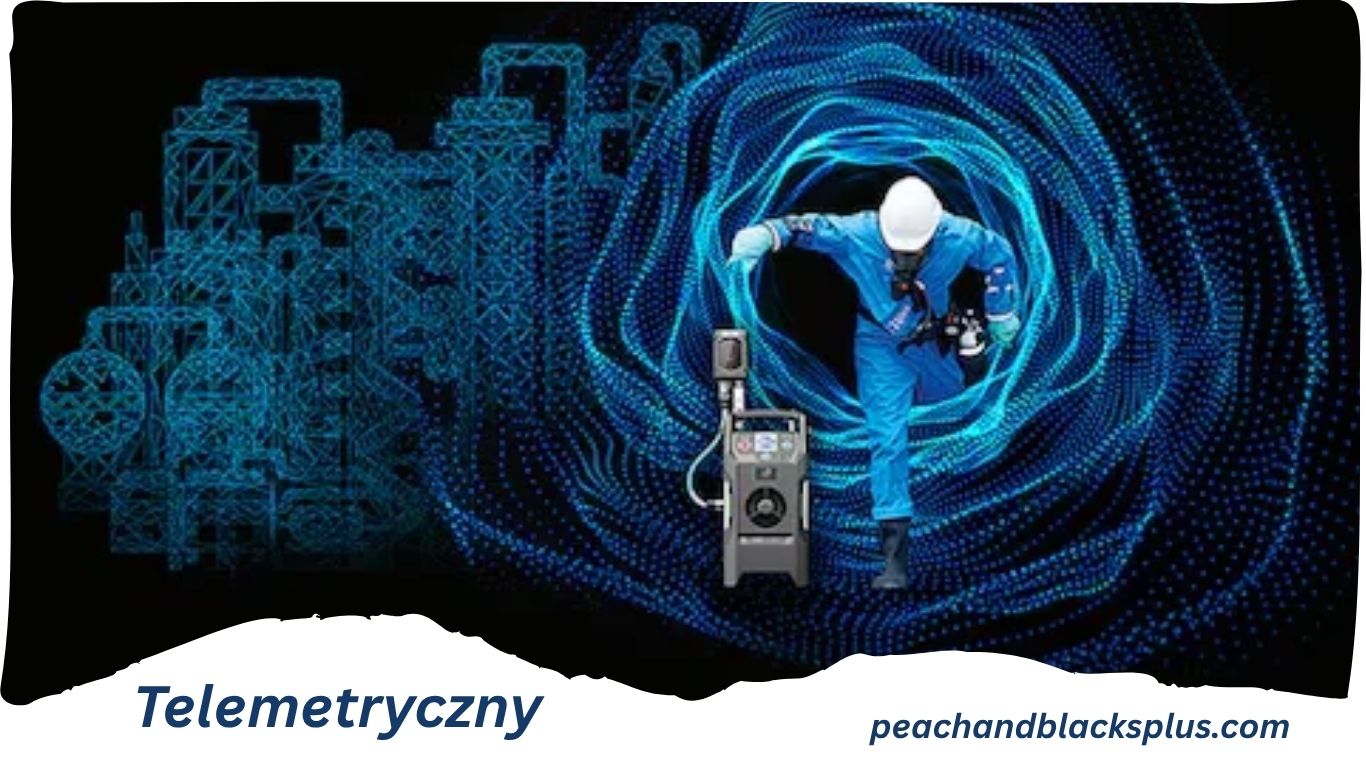
Telemetryczny: Complete Guide to Telemetry Systems, Applications, and Benefits
The world is becoming more connected every day. Businesses, healthcare providers, manufacturers, transportation companies, and smart cities all rely on real-time information to make faster and better decisions. One important term behind this digital transformation is telemetryczny.
The word telemetryczny comes from the Polish word “telemetria” (telemetry). It describes anything related to telemetry, which is the technology of automatically measuring and sending data over a distance without requiring someone to be physically present.
Although the keyword telemetryczny is Polish, the technology itself is used worldwide. From monitoring spacecraft and weather stations to tracking industrial equipment and medical devices, telemetry has become an essential part of modern digital systems.
In simple words, telemetryczny refers to systems, devices, sensors, software, or processes that collect information automatically and transmit it to another location for monitoring, analysis, and decision-making.
This guide explains everything you need to know about telemetryczny, including how it works, where it is used, its benefits, challenges, future trends, and why telemetry technology continues to grow across almost every industry.
What Does Telemetryczny Mean?
Telemetryczny is an adjective that means “related to telemetry.”
Telemetry is a branch of engineering that focuses on:
- Measuring data automatically
- Collecting information from sensors
- Sending data remotely
- Monitoring systems in real time
- Analyzing information without direct human intervention
Whenever you see terms like telemetryczny system, telemetryczny sensor, or telemetryczny monitoring, they refer to technology designed for remote measurement and communication.
Instead of sending people to inspect equipment manually, telemetryczny solutions allow organizations to receive live information automatically.
How Does a Telemetryczny System Work?
Every telemetryczny system follows a similar process.
Step 1: Data Collection
Sensors measure physical values such as:
- Temperature
- Pressure
- Voltage
- Current
- Speed
- GPS location
- Water level
- Fuel level
- Humidity
- Heart rate
These sensors continuously gather information.
Step 2: Signal Processing
The collected information is converted into digital data.
Also Read:TVLIO: 40,000+ Live TV Channels, 120,000+ Movies & Full Review
Some systems filter unnecessary values before transmission to improve efficiency.
Step 3: Data Transmission
The information is sent to another location using technologies such as:
- Wi-Fi
- Bluetooth
- Cellular networks
- Satellite communication
- Radio signals
- Ethernet
- Fiber optics
- LPWAN
- LoRaWAN
- NB-IoT
- 5G
Step 4: Data Storage
Servers or cloud platforms receive and store the incoming information.
Historical records allow long-term analysis.
Step 5: Data Analysis
Software analyzes the incoming data.
If unusual readings appear, alerts are generated immediately.
Step 6: Decision Making
Operators, engineers, doctors, or automated systems use the data to take action.
For example:
- Stop a machine
- Adjust equipment
- Notify emergency staff
- Schedule maintenance
- Improve production
Main Components of a Telemetryczny System
A complete telemetryczny solution usually contains several important components.
Sensors
Sensors detect physical conditions.
Examples include:
- Temperature sensors
- Motion sensors
- Pressure sensors
- Water sensors
- Vibration sensors
- Gas sensors
- Light sensors
Data Logger
The data logger collects sensor information before sending it.
It acts as temporary storage.
Communication Module
This module transmits information using wired or wireless communication.
Control Center
The control center receives all transmitted data.
Operators can view dashboards, reports, and alerts.
Software Platform
Modern telemetry software offers:
- Live monitoring
- Data visualization
- Historical reports
- AI analysis
- Predictive maintenance
- Mobile notifications
Types of Telemetryczny Systems
Telemetry technology is available in many forms depending on the industry.
Wireless Telemetry
Wireless systems transmit information without physical cables.
Advantages include:
- Lower installation costs
- Easier expansion
- Flexible deployment
Wired Telemetry
Wired systems use physical cables.
They are common where extremely reliable communication is required.
Satellite Telemetry
Satellite communication allows monitoring in remote areas such as:
- Oceans
- Forests
- Mountains
- Deserts
Cellular Telemetry
Many modern systems use:
- 4G
- LTE
- 5G
This allows data transmission almost anywhere with network coverage.
Cloud-Based Telemetry
Cloud telemetry stores information online.
Benefits include:
- Remote access
- Automatic backups
- Easy software updates
- Global monitoring
Industries That Use Telemetryczny Technology
Telemetry is one of the most widely used technologies across industries.
Manufacturing
Factories use telemetryczny monitoring for:
- Machine health
- Production efficiency
- Energy consumption
- Equipment maintenance
- Quality control
Real-time monitoring reduces downtime and improves productivity.
Healthcare
Hospitals increasingly rely on telemetry systems.
Examples include:
- Heart monitoring
- Blood pressure tracking
- Patient monitoring
- Wearable medical devices
- Remote healthcare
Doctors can monitor patients even when they are not inside the hospital.
Automotive Industry
Modern vehicles generate thousands of data points every second.
Manufacturers monitor:
- Engine performance
- Fuel efficiency
- Battery condition
- Tire pressure
- GPS location
- Driver behavior
Electric vehicles especially depend on advanced telemetry.
Aerospace
Aircraft and spacecraft produce massive amounts of telemetry data.
Engineers monitor:
- Flight performance
- Fuel systems
- Navigation
- Engine temperature
- Cabin pressure
Without telemetry, modern aviation would not operate safely.
Agriculture
Smart farming depends heavily on telemetryczny systems.
Sensors measure:
- Soil moisture
- Crop health
- Weather
- Water usage
- Livestock location
Farmers can make better irrigation and planting decisions.
Energy Sector
Energy companies monitor:
- Solar farms
- Wind turbines
- Electrical grids
- Pipelines
- Oil fields
- Power plants
Continuous monitoring improves safety and reliability.
Smart Cities
Cities use telemetry for:
- Traffic monitoring
- Parking management
- Street lighting
- Water distribution
- Waste collection
- Environmental monitoring
These systems help cities reduce costs while improving public services.
Benefits of Telemetryczny Technology
Organizations invest in telemetry because it delivers measurable value.
Real-Time Monitoring
Live information enables immediate responses to changing conditions.
Better Decision Making
Managers rely on accurate data instead of assumptions.
Lower Operating Costs
Automation reduces labor and inspection expenses.
Improved Safety
Problems are detected before becoming dangerous.
Predictive Maintenance
Machines can be repaired before they fail.
This minimizes expensive downtime.
Higher Productivity
Continuous monitoring improves operational efficiency.
Improved Accuracy
Automated measurements reduce human error.
Global Accessibility
Cloud systems allow monitoring from anywhere with internet access.
Challenges of Telemetryczny Systems
Although telemetry offers many benefits, organizations also face several challenges.
Cybersecurity Risks
Connected systems can become targets for hackers.
Security measures must include:
- Encryption
- Authentication
- Secure networks
- Regular updates
Data Privacy
Sensitive information must be protected carefully, especially in healthcare and finance.
Initial Investment
Installing sensors, communication devices, and software requires upfront costs.
However, many organizations recover these costs through long-term savings.
Network Reliability
Remote monitoring depends on reliable communication.
Weak connectivity can interrupt data transmission.
Data Overload
Modern sensors generate enormous amounts of information.
Organizations need good analytics tools to identify meaningful insights.
Telemetryczny and the Internet of Things (IoT)
Telemetry and IoT are closely connected.
IoT devices collect information.
Telemetry sends that information to another location.
Together they create intelligent systems capable of making automatic decisions.
Examples include:
- Smart thermostats
- Smart factories
- Connected vehicles
- Industrial automation
- Home security
- Environmental monitoring
Without telemetry, many IoT devices would lose much of their value.
Artificial Intelligence and Telemetryczny
Artificial intelligence is making telemetry even more powerful.
AI can analyze millions of incoming data points faster than humans.
Instead of only reporting problems, AI predicts future events.
Examples include:
Also Read:Shani Levni: Complete Guide to the Israeli Multidisciplinary Artist
- Predicting machine failures
- Detecting unusual network behavior
- Forecasting maintenance schedules
- Identifying medical risks
- Optimizing energy usage
This shift from reactive monitoring to predictive intelligence is transforming industries worldwide.
Cloud and Edge Computing in Telemetryczny Systems
Modern telemetryczny systems rely on both cloud computing and edge computing to deliver fast, reliable, and intelligent remote monitoring. Together, these technologies improve how telemetry data is collected, processed, stored, and analyzed.
Cloud computing allows organizations to store large amounts of telemetry data on remote servers that can be accessed from anywhere. Instead of relying on local computers, businesses use cloud platforms to centralize information from multiple devices and locations.
Cloud-based telemetryczny solutions offer several advantages, including:
- Remote access from anywhere
- Automatic data backups
- Easy software updates
- Real-time dashboards
- Advanced analytics and reporting
- Better collaboration across teams
However, sending every piece of data directly to the cloud is not always the best option. Some applications require immediate responses with minimal delay. This is where edge computing becomes important.
Edge computing processes telemetry data close to where it is collected, such as inside a machine, vehicle, or industrial controller. Instead of waiting for data to travel to the cloud and back, edge devices can analyze information locally and respond within seconds.
Benefits of edge computing in telemetryczny systems include:
- Faster response times
- Lower network latency
- Reduced bandwidth usage
- Improved reliability during internet outages
- Better support for real-time automation
Many modern organizations combine cloud and edge computing to achieve the best results. Edge devices handle immediate decisions, while cloud platforms store historical data, perform advanced analytics, and support long-term planning. This hybrid approach makes telemetryczny systems more efficient, scalable, and reliable across industries such as manufacturing, healthcare, transportation, energy, and smart cities.
How Telemetryczny Systems Transmit Data
Several communication methods support telemetry systems.
Wi-Fi
Suitable for buildings and offices.
Bluetooth
Useful for short-distance communication.
Cellular Networks
Ideal for vehicles and remote equipment.
Satellite
Best for locations without traditional internet coverage.
LoRaWAN
Designed for long-range, low-power IoT devices.
NB-IoT
Optimized for battery-powered sensors requiring low data usage.
5G
Supports ultra-fast communication with low latency.
How to Choose the Right Telemetryczny System
Choosing the right telemetryczny system depends on your organization’s goals, the type of data you need to collect, and the environment where the system will operate. A well-planned solution improves efficiency, reduces maintenance costs, and provides accurate real-time information.
Before selecting a telemetryczny system, consider the following factors:
Define Your Monitoring Needs
Start by identifying what you want to monitor. Different industries require different types of sensors and data.
For example, you may need to monitor:
- Temperature
- Pressure
- Equipment performance
- GPS location
- Energy consumption
- Environmental conditions
Understanding your requirements helps you choose the right hardware and software.
Choose the Right Communication Technology
Telemetryczny systems can transmit data using various communication methods, including:
- Wi-Fi
- Cellular networks (4G, LTE, or 5G)
- Satellite communication
- LoRaWAN
- NB-IoT
- Ethernet
The best choice depends on your location, network availability, data volume, and budget.
Ensure Scalability
Your monitoring needs may grow over time. Choose a telemetryczny system that can support additional sensors, devices, and users without requiring a complete replacement.
Scalable systems help reduce future upgrade costs.
Prioritize Security
Since telemetry systems transmit valuable data, security should be a top priority.
Look for features such as:
- Data encryption
- Secure user authentication
- Access controls
- Automatic software updates
- Cybersecurity monitoring
Strong security protects both your devices and your data.
Look for Cloud Integration
Cloud-based telemetryczny systems make it easier to monitor devices from anywhere. They also simplify data storage, reporting, and collaboration across multiple locations.
Cloud integration is especially useful for businesses with remote operations.
Evaluate Data Analytics Features
Modern telemetry platforms do much more than display sensor readings.
Choose software that offers:
- Real-time dashboards
- Historical reports
- Trend analysis
- Predictive maintenance
- Custom alerts
- AI-powered insights
These features help organizations make faster and more informed decisions.
Consider Ease of Use
A good telemetryczny system should be simple to install, configure, and operate. User-friendly dashboards reduce training time and improve productivity for operators and managers.
Compare Total Cost of Ownership
Do not focus only on the initial purchase price. Consider the total cost, including:
- Installation
- Maintenance
- Software licensing
- Communication fees
- Hardware upgrades
- Technical support
A reliable telemetryczny system often provides long-term savings by reducing downtime and improving operational efficiency.
Final Tip
The best telemetryczny system is one that matches your operational needs, supports future growth, offers strong security, and delivers accurate real-time data. Taking the time to evaluate your requirements before investing will help ensure better performance, higher reliability, and a stronger return on investment over the long term.
Examples of Telemetryczny Applications
Telemetry technology appears in many everyday situations.
Smart Electricity Meters
Utility companies automatically receive energy usage data.
Fleet Management
Businesses monitor:
- Vehicle location
- Fuel use
- Driver safety
- Delivery progress
Water Management
Cities detect:
- Pipe leaks
- Water pressure
- Consumption patterns
Environmental Monitoring
Scientists track:
- Air quality
- Water pollution
- Forest conditions
- Wildlife habitats
Industrial Automation
Manufacturers monitor production equipment continuously.
Sports Performance
Professional athletes wear devices that monitor:
- Heart rate
- Speed
- Distance
- Recovery
Coaches use this information to improve training.
Telemetryczny in Scientific Research
Scientists rely heavily on telemetry.
Research applications include:
- Wildlife tracking
- Climate monitoring
- Ocean research
- Earthquake detection
- Space exploration
Telemetry allows researchers to collect data from places that are difficult or impossible to reach regularly.
Security Best Practices for Telemetry Systems
Organizations should protect telemetry infrastructure by following several practices.
Encrypt Data
Encryption prevents unauthorized access during transmission.
Strong Authentication
Only approved users should access telemetry platforms.
Software Updates
Regular updates reduce cybersecurity risks.
Backup Systems
Multiple backups protect valuable information.
Network Monitoring
Continuous monitoring detects suspicious activity quickly.
Future Trends in Telemetryczny Technology
Telemetry continues to evolve rapidly.
Several innovations are expected to shape the future.
AI-Driven Automation
Artificial intelligence will automate more monitoring tasks.
Digital Twins
Virtual copies of physical equipment will use telemetry data to simulate real-world performance.
Autonomous Vehicles
Self-driving vehicles depend on continuous telemetry communication.
Smart Infrastructure
Roads, bridges, and public utilities will increasingly use remote monitoring.
Sustainable Energy
Renewable energy systems will rely on telemetry for efficiency and reliability.
Advanced Predictive Analytics
Organizations will predict failures weeks or months before they happen.
Why Telemetryczny Is Becoming More Important
Several global trends are increasing the demand for telemetry.
These include:
- Digital transformation
- Industrial automation
- Artificial intelligence
- Smart cities
- Connected healthcare
- Renewable energy
- Internet of Things
- Remote work
- Data-driven decision making
As organizations generate more data, telemetry becomes essential for managing and understanding that information efficiently.
Why Telemetryczny Is More Than Just Remote Monitoring
Many people think telemetry only sends data from one place to another. In reality, its value comes from what organizations do with that data. A modern telemetryczny system is not simply a communication tool—it is part of a complete decision-making ecosystem.
Also Read:IngeBIM: The Complete Guide to Digital Engineering and BIM Solutions
The biggest advantage today is not just collecting information but turning that information into actionable insights. Businesses that combine telemetry with cloud computing, artificial intelligence, and predictive analytics can identify trends, reduce operational risks, improve customer experiences, and make faster strategic decisions. This evolution explains why telemetry is becoming a foundation of digital transformation rather than just another technical feature.
Common Mistakes When Implementing Telemetry Systems
Organizations sometimes fail to achieve the full benefits of telemetry because of avoidable mistakes.
Common issues include:
- Installing too many sensors without a clear purpose
- Ignoring cybersecurity planning
- Failing to train employees on new systems
- Collecting data without analyzing it
- Choosing communication technologies that do not fit the environment
- Neglecting regular maintenance of sensors and network equipment
- Overlooking data quality and calibration
A successful telemetryczny implementation starts with clear goals, reliable hardware, secure communication, and ongoing analysis.
Conclusion
Telemetryczny represents one of the most important concepts in today’s connected world. As an adjective related to telemetry, it describes technologies that automatically measure, transmit, and analyze data across distances. These systems help organizations monitor equipment, improve efficiency, increase safety, reduce costs, and make smarter decisions using real-time information.
From healthcare and manufacturing to transportation, agriculture, aerospace, and smart cities, telemetry technology has become a core part of modern infrastructure. As artificial intelligence, cloud computing, edge computing, and the Internet of Things continue to advance, telemetryczny solutions will become even more intelligent, automated, and valuable.
Organizations that invest in secure, scalable, and data-driven telemetry systems today will be better prepared for tomorrow’s increasingly connected digital economy.
Frequently Asked Questions About Telemetryczny
Is telemetryczny a device or a technology?
Telemetryczny is not a device. It is an adjective describing anything related to telemetry technology, such as systems, sensors, software, or monitoring solutions.
Can small businesses benefit from telemetry?
Yes. Small businesses can use telemetry to monitor equipment, reduce maintenance costs, improve efficiency, and make better operational decisions without large teams.
Does telemetry always require the internet?
No. Some telemetry systems use radio signals, satellite links, private networks, or local wired connections instead of the public internet.
What industries are expected to increase telemetry adoption the fastest?
Renewable energy, electric vehicles, healthcare, precision agriculture, logistics, and smart manufacturing are among the fastest-growing users of telemetry technology.
Can telemetry improve environmental sustainability?
Yes. Telemetry helps reduce energy waste, optimize water use, monitor pollution, improve renewable energy systems, and lower unnecessary maintenance visits, making operations more environmentally friendly.
How accurate are modern telemetry systems?
Accuracy depends on sensor quality, calibration, communication reliability, and software processing. High-quality industrial telemetry systems can provide extremely precise and consistent measurements.
Is telemetry useful for home users?
Yes. Smart home devices such as security systems, energy monitors, smart thermostats, and connected appliances all use telemetry principles to provide remote monitoring and automation.
What skills are useful for working with telemetry systems?
Professionals often benefit from knowledge of electronics, networking, cloud platforms, IoT, cybersecurity, data analytics, automation, and programming. However, many modern telemetry platforms also offer user-friendly dashboards that require little technical experience.