Sqrwomensrestroom: The Complete Guide to Modern Women’s Restroom Design
Modern public restrooms have changed significantly over the last decade. Today’s users expect more than clean facilities—they want privacy, safety, accessibility, comfort, and smart technology that makes every visit easier and more hygienic. As cities become smarter and buildings focus more on user experience, innovative restroom concepts continue to emerge.
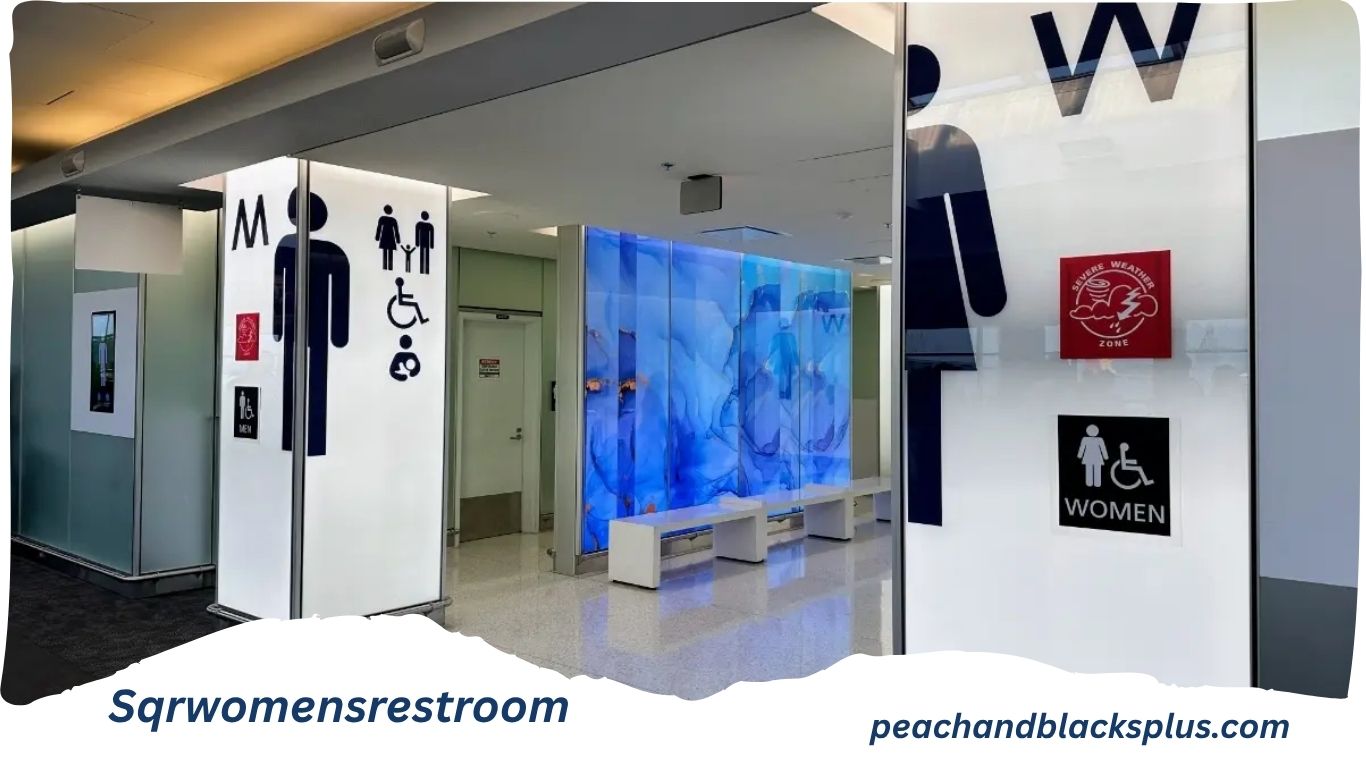
One concept attracting growing attention is sqrwomensrestroom. Rather than referring to a single product or brand, sqrwomensrestroom represents a modern approach to designing women’s restrooms that combines modular layouts, privacy-focused architecture, touch-free hygiene, inclusive accessibility, sustainable materials, and digital technologies.
The goal of sqrwomensrestroom is to improve the restroom experience while meeting the needs of today’s public spaces. From office buildings and shopping malls to airports, hospitals, universities, hotels, and entertainment venues, this concept provides practical solutions for both facility managers and visitors.
This guide explores everything you need to know about sqrwomensrestroom, including its features, benefits, smart technologies, sustainability efforts, implementation strategies, and future trends. Whether you are a building owner, architect, facility manager, designer, or simply interested in modern restroom innovation, this article provides valuable insights into why this concept is becoming increasingly relevant.
What Is sqrwomensrestroom?
The term sqrwomensrestroom refers to a next-generation women’s restroom concept designed around five major priorities:
- Privacy
- Hygiene
- Accessibility
- Smart technology
- Sustainable design
Instead of relying on traditional restroom layouts that have changed very little over the years, sqrwomensrestroom introduces flexible spaces that improve both functionality and user comfort.
The concept emphasizes modular construction, allowing facilities to adapt restroom layouts based on available space, visitor traffic, and future expansion needs. Digital technologies further improve maintenance, occupancy management, cleaning schedules, and overall user satisfaction.
Unlike conventional restroom designs that often focus only on basic functionality, sqrwomensrestroom aims to create a safer, cleaner, and more comfortable environment that meets the expectations of modern users.
The Evolution of Women’s Restroom Design
Women’s restrooms have evolved considerably over time. Earlier public restroom designs focused almost entirely on providing essential sanitation facilities. Privacy, accessibility, and user experience received relatively little attention.
As urban populations increased and public buildings became more complex, restroom design also had to evolve.
Today’s users expect:
- Better privacy
- Cleaner environments
- Touch-free technology
- Family-friendly facilities
- Accessibility for people with disabilities
- Safer layouts
- Faster maintenance
- Eco-friendly operations
The sqrwomensrestroom concept reflects this evolution by combining architectural innovation with digital solutions.
Modern restroom planning now considers how people actually use the space, leading to layouts that reduce waiting times, improve movement, and provide greater comfort throughout the facility.
Why sqrwomensrestroom Is Gaining Attention
Several global trends have increased interest in modern restroom concepts like sqrwomensrestroom.
Also Read:Studiae: A Complete Guide to Smarter Learning, Productivity, and Long-Term Success
Higher Hygiene Expectations
Recent public health awareness has encouraged organizations to invest in cleaner and more sanitary restroom environments.
Visitors increasingly expect:
- Touch-free fixtures
- Automatic soap dispensers
- Sensor-operated faucets
- Automatic flushing systems
- Better ventilation
- Improved cleaning standards
Growing Focus on User Experience
Today’s buildings compete by offering better experiences.
Modern restrooms contribute to:
- Customer satisfaction
- Employee comfort
- Positive business reputation
- Higher visitor confidence
A clean and thoughtfully designed restroom often reflects the overall quality of the facility.
Smart Building Technology
Buildings are becoming increasingly connected.
Smart sensors can now monitor:
- Occupancy
- Water usage
- Supply levels
- Cleaning schedules
- Maintenance requirements
- Air quality
These technologies improve operational efficiency while enhancing user comfort.
Sustainability Goals
Many organizations now prioritize environmentally responsible building practices.
The sqrwomensrestroom concept supports these goals by encouraging:
- Water conservation
- Energy-efficient lighting
- Eco-friendly materials
- Waste reduction
- Long-lasting construction
Key Features of sqrwomensrestroom
Several innovative features distinguish sqrwomensrestroom from traditional restroom designs.
Modular Layouts
Modular construction allows restroom spaces to be customized based on the specific needs of each building.
Benefits include:
- Faster installation
- Easier renovations
- Flexible expansion
- Reduced construction waste
- Lower maintenance costs
This flexibility makes the concept suitable for both new construction projects and existing building upgrades.
Enhanced Privacy
Privacy remains one of the highest priorities in restroom design.
Modern privacy features include:
- Full-height partitions
- Better sound insulation
- Improved stall spacing
- Private changing areas
- Secure entry systems where appropriate
These improvements help users feel more comfortable and confident.
Inclusive Design
Accessibility is central to sqrwomensrestroom.
Inclusive features may include:
- ADA-compliant stalls
- Wheelchair accessibility
- Baby-changing stations
- Family support areas
- Nursing rooms
- Easy navigation
- Clear signage
By considering users of different ages and abilities, facilities become more welcoming to everyone.
Modular Layout and Space Optimization
Traditional restroom layouts often remain fixed for decades, making renovations expensive and disruptive.
The sqrwomensrestroom approach embraces flexibility through modular planning.
Individual restroom components can be updated without redesigning the entire facility.
Examples include:
- Additional stalls
- New sinks
- Expanded waiting areas
- Improved accessibility features
- Updated cleaning stations
This modular approach reduces downtime and helps facilities respond to changing visitor demands.
Space optimization also improves traffic flow.
Designers carefully analyze:
- Entry and exit routes
- Sink placement
- Queue management
- Stall accessibility
- Cleaning access
The result is a restroom that feels larger, even when occupying the same physical footprint.
Privacy, Safety, and User Comfort
Privacy plays a major role in user satisfaction.
The sqrwomensrestroom concept incorporates architectural features that reduce unnecessary exposure while increasing personal comfort.
Examples include:
Better Stall Design
Modern stalls often feature:
- Minimal door gaps
- Stronger locks
- Floor-to-ceiling partitions
- Improved ventilation
- Durable materials
Improved Lighting
Lighting directly affects how safe a restroom feels.
Modern systems use:
- Bright LED fixtures
- Even light distribution
- Motion sensors
- Emergency lighting
- Energy-efficient controls
Proper lighting also supports easier cleaning and maintenance.
Also Read:Gaymetu E: A Complete Beginner’s Guide to LGBTQ+ Friendly Gaming Experiences
Enhanced Security
Safety measures may include:
- Well-designed entrances
- Emergency assistance buttons
- Visible maintenance schedules
- Security monitoring outside restroom entrances
- Anti-slip flooring
- Clear emergency exits
These features create greater confidence for users while reducing operational risks.
Inclusive and Accessible Design
One of the defining strengths of the sqrwomensrestroom concept is its commitment to creating spaces that serve a wide range of users. A modern restroom should not only be functional but also welcoming, regardless of a person’s age, physical ability, or personal needs.
Accessibility begins with thoughtful planning. Wide entrances, spacious pathways, and clearly marked facilities allow users to move comfortably throughout the restroom. Accessible stalls provide additional space for wheelchairs and mobility aids while incorporating support rails, easy-to-reach fixtures, and emergency assistance features where appropriate.
Beyond accessibility, inclusive design also considers families and caregivers. Features such as baby-changing stations, nursing rooms, and family-friendly areas make the restroom more convenient for parents with young children.
Clear signs, intuitive layouts, and comfortable lighting further improve the overall experience, ensuring that every visitor can use the facility with confidence.
Smart Technology and Digital Integration
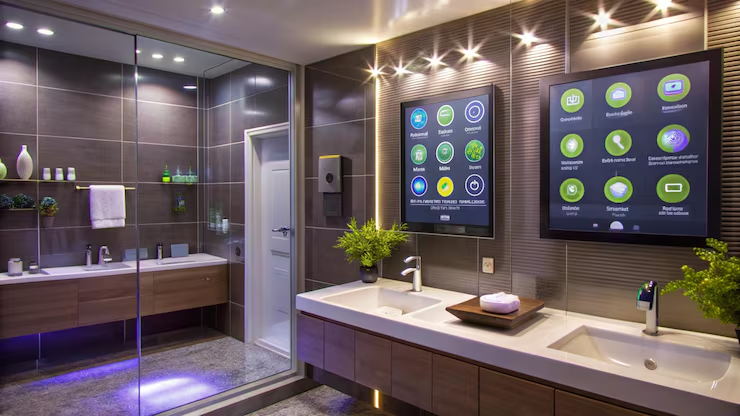
Technology is transforming nearly every part of modern buildings, and restrooms are no exception. The sqrwomensrestroom concept embraces smart solutions that improve convenience while helping facility managers operate more efficiently.
Many smart restroom systems include occupancy sensors that show whether stalls are available. These systems can reduce waiting times during busy periods and improve visitor flow.
Additional technologies may include:
- Touch-free faucets
- Automatic soap dispensers
- Sensor-operated hand dryers
- Automatic flushing systems
- Smart mirrors with digital displays
- Occupancy indicators
- Air quality monitoring
- Water leak detection
- Supply monitoring for soap, tissue, and paper towels
Maintenance teams also benefit from digital dashboards that notify staff when supplies are running low or when cleaning is required. Instead of following fixed cleaning schedules, staff can respond based on actual restroom usage, helping maintain higher hygiene standards while reducing unnecessary labor.
As smart buildings become more common, digital restroom management is expected to play an even greater role in improving efficiency and enhancing user satisfaction.
Hygiene Innovations and Touch-Free Solutions
Cleanliness remains one of the most important factors in any restroom. The sqrwomensrestroom concept focuses on reducing contact with shared surfaces while supporting effective sanitation practices.
Touch-free technology helps minimize the spread of germs by eliminating unnecessary physical contact with restroom fixtures.
Common touchless features include:
- Motion-activated faucets
- Automatic soap dispensers
- Sensor-operated flushing systems
- Hands-free paper towel dispensers
- Automatic waste bins
- Contactless hand dryers
Improved ventilation systems also contribute to healthier indoor environments by maintaining better airflow and reducing odors.
Many modern restroom materials are selected for their antimicrobial properties and ease of cleaning. Smooth, non-porous surfaces resist stains and bacteria, allowing maintenance teams to clean more effectively while extending the life of the facility.
These hygiene improvements support both public health and a better overall user experience.
Sustainability and Eco-Friendly Features
Environmental responsibility has become an essential consideration in modern building design. The sqrwomensrestroom concept supports sustainability by reducing water consumption, lowering energy use, and selecting environmentally responsible materials.
Water-saving fixtures help minimize waste without compromising performance. Low-flow faucets, efficient toilets, and water-saving flushing systems contribute to significant reductions in overall water usage.
Energy-efficient LED lighting combined with occupancy sensors ensures that lights operate only when needed, lowering electricity consumption throughout the day.
Sustainable construction materials may include recycled components, responsibly sourced products, and durable finishes that require less frequent replacement.
Waste reduction is another important goal. Facilities may encourage recycling where appropriate and install refillable soap systems to reduce disposable plastic packaging.
By combining efficient technology with sustainable design practices, sqrwomensrestroom helps organizations meet environmental goals while lowering long-term operating costs.
Benefits Across Different Industries
The flexibility of the sqrwomensrestroom concept makes it suitable for many types of facilities.
Office Buildings
Modern workplaces increasingly prioritize employee well-being. Comfortable, hygienic restrooms contribute to a better working environment while supporting employee satisfaction.
Shopping Centers
Retail environments depend heavily on customer experience. Clean, attractive restrooms encourage visitors to spend more time shopping and improve their overall impression of the property.
Airports and Transportation Hubs
Busy transportation facilities serve thousands of travelers every day. Smart occupancy management, efficient layouts, and fast cleaning processes help reduce congestion while maintaining high standards of cleanliness.
Hospitals and Healthcare Facilities
Healthcare environments require exceptional hygiene. Touch-free technology, antimicrobial materials, and easy-to-clean surfaces support infection prevention while improving patient and visitor comfort.
Educational Institutions
Schools and universities benefit from durable restroom designs that withstand heavy daily use while promoting hygiene among students and staff.
Hotels and Hospitality
Guest satisfaction depends on attention to detail. Modern restroom facilities reinforce a hotel’s commitment to comfort, cleanliness, and high-quality service.
Challenges and Future Opportunities
Although the sqrwomensrestroom concept offers many advantages, successful implementation requires careful planning.
Also Read:Brandrank.ai Normalization Transformation Rules: Everything You Need to Know
Initial construction costs may be higher than traditional restroom designs because of advanced technology, premium materials, and specialized equipment. However, many organizations recover these investments over time through lower maintenance costs, improved resource efficiency, and reduced water and energy consumption.
Staff training is another important consideration. Facility managers and maintenance teams need to understand how to operate and maintain smart restroom systems effectively.
Looking ahead, continued innovation is expected to introduce even more advanced features, including artificial intelligence for predictive maintenance, enhanced occupancy analytics, personalized accessibility options, and improved environmental monitoring.
As public expectations continue to evolve, modern restroom concepts like sqrwomensrestroom are likely to become standard in many new commercial and public buildings.
Frequently Asked Questions
What does sqrwomensrestroom mean?
sqrwomensrestroom refers to a modern women’s restroom concept that focuses on privacy, hygiene, accessibility, modular design, sustainability, and smart technology.
Is sqrwomensrestroom a product or a design concept?
It is generally understood as a design concept rather than a single product. The approach combines multiple innovations to improve restroom functionality and user experience.
Why is privacy important in sqrwomensrestroom?
Privacy improves user comfort, creates a safer environment, and enhances the overall restroom experience through better layouts and full-height partitions where appropriate.
How does smart technology improve sqrwomensrestroom?
Smart technology helps monitor occupancy, automate hygiene systems, track maintenance needs, reduce waiting times, and improve operational efficiency.
Is sqrwomensrestroom environmentally friendly?
Yes. The concept encourages water-saving fixtures, energy-efficient lighting, durable materials, and sustainable construction practices that reduce environmental impact.
Can existing buildings adopt sqrwomensrestroom features?
Yes. Many features, including touch-free fixtures, modular upgrades, and smart sensors, can be integrated into existing restroom facilities during renovation projects.
Which industries benefit the most from sqrwomensrestroom?
Office buildings, hospitals, airports, shopping malls, universities, hotels, sports venues, entertainment centers, and government facilities can all benefit from this modern restroom approach.
Final Thoughts
The sqrwomensrestroom concept represents a forward-thinking approach to women’s restroom design that goes far beyond traditional layouts. By combining modular construction, enhanced privacy, inclusive accessibility, touch-free hygiene, digital technology, and sustainable practices, it creates spaces that are safer, cleaner, and more comfortable for users.
As public expectations continue to rise, organizations are increasingly recognizing that restroom quality plays an important role in the overall building experience. Investing in innovative concepts like sqrwomensrestroom can improve visitor satisfaction, simplify facility management, support environmental goals, and provide long-term value.
Whether implemented in a workplace, healthcare facility, educational institution, transportation hub, or retail environment, sqrwomensrestroom reflects the future of restroom design by placing people, technology, and sustainability at the center of every decision.