Shani Levni: Complete Guide to the Israeli Multidisciplinary Artist
The contemporary art world is filled with talented creators who explore new ideas, experiment with materials, and challenge traditional artistic boundaries. Among these emerging names, Shani Levni has gained attention as an Israeli multidisciplinary artist associated with mixed-media painting, installation art, and experimental creative practices. Although public information about Shani Levni remains relatively limited compared to internationally recognized artists, the available details reveal a thoughtful creative professional whose work reflects curiosity, innovation, and a strong connection between materials, emotions, and space.
For art lovers, students, collectors, and researchers, learning about Shani Levni offers an opportunity to understand how modern artists combine traditional artistic methods with contemporary concepts. Instead of working within a single discipline, multidisciplinary artists often blend painting, sculpture, installation, photography, found objects, and digital media to create immersive artistic experiences.
This comprehensive guide explores the artistic background, creative philosophy, techniques, themes, cultural influences, and growing recognition of Shani Levni. Beyond summarizing available information, this article also provides professional analysis of the artist’s approach, the importance of multidisciplinary art, and the broader role such artists play in today’s global art landscape.
Whether you are discovering Shani Levni for the first time or researching contemporary Israeli artists, this guide provides valuable insights in clear and easy-to-understand language.
Who Is Shani Levni?
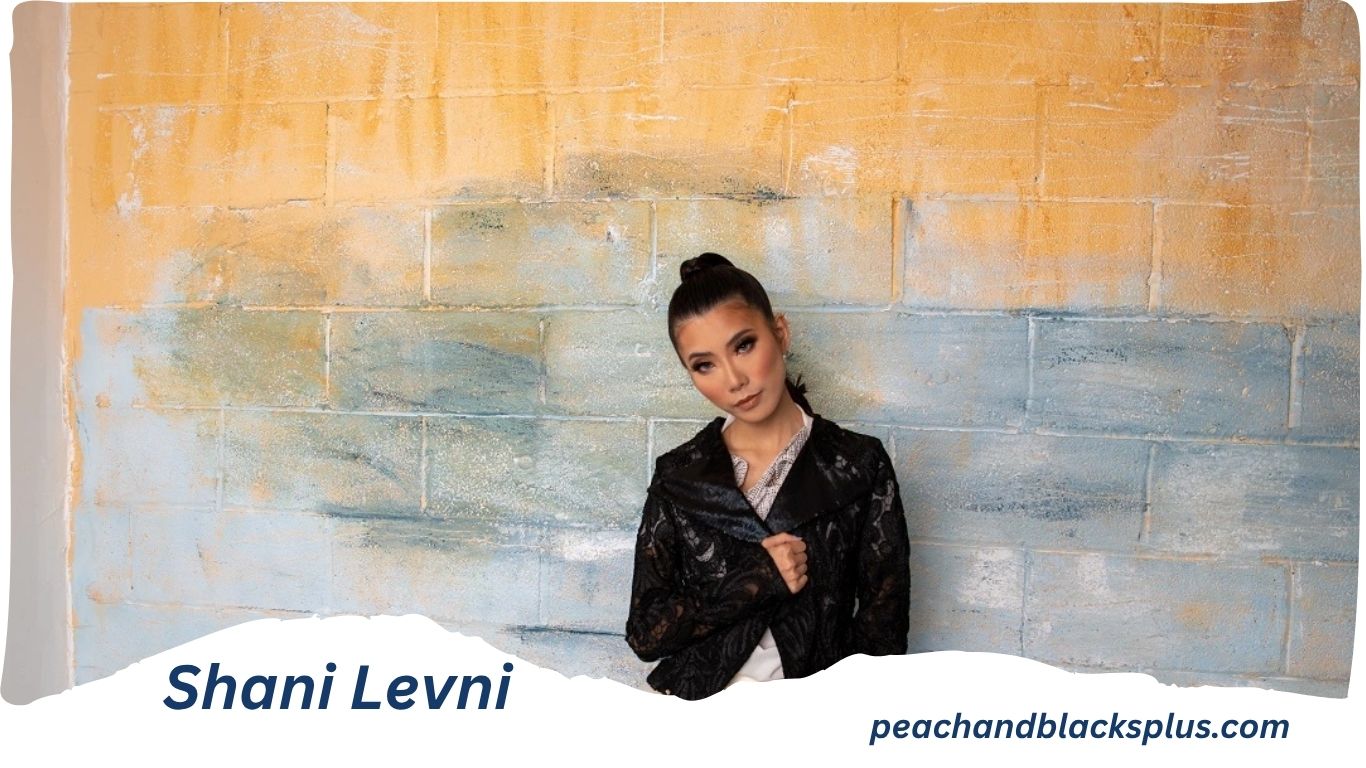
Shani Levni is recognized as an Israeli multidisciplinary artist whose creative work spans multiple artistic disciplines. Rather than limiting artistic expression to traditional painting, Shani Levni explores different materials, textures, surfaces, and spatial arrangements to communicate ideas and emotions.
The term “multidisciplinary artist” means that an artist works across several forms of artistic practice instead of specializing in only one medium. This flexibility allows artists like Shani Levni to experiment with different techniques while continually developing their artistic language.
Although extensive biographical information is not widely published, the artist’s work reflects many characteristics commonly found in contemporary art, including:
- Material experimentation
- Concept-driven projects
- Layered visual storytelling
- Interactive environments
- Exploration of human perception
- Emotional symbolism
These qualities position Shani Levni within a growing community of artists who prioritize ideas and experiences alongside visual beauty.
Understanding Multidisciplinary Art
To appreciate the work of Shani Levni, it is important to understand what multidisciplinary art involves.
Traditional artists often focus on one medium, such as painting or sculpture. A multidisciplinary artist moves freely between different creative practices depending on the concept they wish to express.
This approach may combine:
Also Read:IngeBIM: The Complete Guide to Digital Engineering and BIM Solutions
- Acrylic painting
- Oil painting
- Drawing
- Photography
- Installation design
- Sculpture
- Textile art
- Found objects
- Digital elements
- Video components
Instead of asking, “What should I paint?” multidisciplinary artists often ask, “What is the best medium to communicate this idea?”
This freedom allows artists like Shani Levni to create richer, more engaging artistic experiences.
Early Life and Artistic Background
Like many contemporary artists, Shani Levni’s creative development likely reflects years of observation, experimentation, and artistic exploration.
Artists working in conceptual and mixed-media fields generally build their practice through:
- Academic study
- Independent research
- Studio experimentation
- Collaboration with other artists
- Exhibition experience
- Cultural engagement
For Israeli artists especially, the country’s diverse history, geography, architecture, and multicultural society often become important sources of artistic inspiration.
Whether consciously or indirectly, these influences may shape the visual language found within Shani Levni’s artistic projects.
Education and Creative Development
Artistic education is more than learning technical skills. It involves developing the ability to observe, question, and communicate complex ideas visually.
Multidisciplinary artists often explore subjects such as:
- Fine arts
- Design theory
- Visual communication
- Art history
- Material science
- Architecture
- Cultural studies
- Contemporary philosophy
Even outside formal education, continuous experimentation plays a significant role in creative growth.
For artists like Shani Levni, every new project becomes another opportunity to test materials, refine techniques, and expand artistic possibilities.
The Artistic Philosophy of Shani Levni
One of the defining characteristics associated with Shani Levni is an interest in creating works that encourage reflection rather than providing simple answers.
Instead of producing purely decorative pieces, multidisciplinary artists often invite viewers to interpret meaning based on their own experiences.
Several ideas commonly associated with this artistic philosophy include:
Art as Conversation
Art becomes a dialogue between creator and viewer.
Every observer notices something different depending on personal memories, emotions, and cultural background.
Materials Carry Meaning
Different materials communicate different emotions.
For example:
- Wood may suggest nature.
- Metal may symbolize industry.
- Fabric may represent memory.
- Transparent materials may express vulnerability.
- Recycled objects may explore sustainability.
Rather than choosing materials only for appearance, artists often select them for symbolic value.
Process Matters
In contemporary art, the creative journey itself can become part of the artwork.
Visible brush strokes, layered surfaces, unfinished textures, and imperfect forms remind viewers that creation is an evolving process rather than a perfectly controlled outcome.
Mixed-Media Painting in Shani Levni’s Work
Mixed-media painting combines multiple artistic materials within a single composition.
Unlike traditional painting, which may rely only on oil or acrylic paint, mixed-media works can incorporate:
- Paper
- Fabric
- Sand
- Metal fragments
- Ink
- Photography
- Collage
- Wood
- Thread
- Printed materials
This layered approach creates greater visual depth while allowing artists to communicate more complex narratives.
For artists such as Shani Levni, mixed-media techniques offer almost unlimited creative freedom.
Each layer contributes new meaning, encouraging viewers to spend more time exploring the artwork.
Why Mixed Media Is Important in Contemporary Art
Mixed-media art has become increasingly popular because it reflects the complexity of modern life.
Today’s world combines:
- Digital experiences
- Physical environments
- Cultural diversity
- Historical references
- Personal identity
A single artistic medium may not fully express these interconnected realities.
Mixed media allows artists to blend visual languages just as modern society blends cultures, technologies, and perspectives.
This makes it especially relevant within contemporary artistic practice.
Installation Art and Spatial Experience
Installation art is another important area connected with Shani Levni.
Unlike paintings displayed on walls, installation artworks transform entire spaces.
Visitors do not simply observe the artwork.
They become part of it.
Installation art may involve:
- Light
- Sound
- Sculpture
- Video
- Architecture
- Textiles
- Interactive elements
- Environmental design
The goal is often to create an emotional experience that surrounds the audience rather than remaining separate from them.
Artists working in installations think carefully about:
- Movement
- Distance
- Perspective
- Lighting
- Atmosphere
- Viewer participation
This makes installation art one of the most immersive forms of contemporary artistic expression.
How Space Becomes Part of the Artwork
One fascinating aspect of installation art is that the surrounding environment becomes an active element of the piece.
Instead of existing independently, the artwork interacts with:
- Walls
- Floors
- Ceilings
- Shadows
- Natural light
- Artificial lighting
- Architectural structures
- Audience movement
As viewers walk through the installation, their changing perspectives continuously reshape the experience.
This dynamic relationship between artwork, environment, and audience is a defining feature of contemporary installation practices.
Common Themes Found in Contemporary Multidisciplinary Art
Although every artist develops a unique visual language, several recurring themes often appear in multidisciplinary art and are relevant when understanding artists such as Shani Levni.
Identity
Artists frequently explore questions such as:
- Who are we?
- How do our experiences shape us?
- What influences our personal identity?
These ideas may be expressed through layered imagery, fragmented forms, or symbolic materials.
Memory
Memory is another powerful theme.
Objects, textures, and visual layers can represent personal experiences, family history, or collective cultural memory.
Instead of illustrating memories literally, artists often create abstract representations that encourage personal interpretation.
Transformation
Contemporary art regularly examines change.
Transformation may refer to:
- Personal growth
- Social evolution
- Urban development
- Environmental change
- Emotional healing
Through evolving forms and materials, artists visually communicate the idea that nothing remains static.
Human Connection
Relationships between individuals, communities, and environments are also common subjects.
Artworks may explore how people interact with one another, with technology, or with the spaces they inhabit.
These themes resonate across cultures and contribute to the universal appeal of multidisciplinary contemporary art.
Materials and Techniques Used in Shani Levni’s Artistic Practice
One of the most interesting aspects of Shani Levni is the thoughtful use of materials. In contemporary art, materials are not simply tools—they become part of the message itself. Every texture, surface, and object can add another layer of meaning.
Instead of relying on one artistic method, Shani Levni’s multidisciplinary approach allows each project to determine the most suitable materials and techniques. This flexibility creates artwork that feels fresh, expressive, and open to interpretation.
Common materials that may appear in mixed-media and installation works include:
- Acrylic paint
- Oil paint
- Graphite
- Charcoal
- Paper
- Canvas
- Wood
- Fabric
- Metal
- Recycled materials
- Transparent plastics
- Natural elements such as sand or stone
Each material contributes something unique. Rough surfaces may express tension or conflict, while smooth finishes can suggest calmness and balance. Transparent layers may symbolize memory, time, or hidden emotions.
This careful selection of materials helps create artwork that communicates visually as well as emotionally.
The Role of Texture in Shani Levni’s Work
Texture is one of the defining characteristics of many mixed-media artists.
Instead of creating completely flat images, artists often build multiple layers that produce visual depth. Some textures invite viewers to imagine how a surface might feel, while others create shadows and changing reflections depending on the lighting.
Texture serves several purposes:
- Adds visual interest
- Creates movement
- Builds emotional atmosphere
- Enhances storytelling
- Encourages closer observation
In many contemporary artworks, texture becomes as important as color or composition.
For viewers, these surfaces transform a simple painting into a richer visual experience.
Color and Emotional Expression
Color plays a powerful role in contemporary art.
Rather than simply making artwork attractive, colors influence how viewers emotionally respond to a piece.
Artists like Shani Levni may use color to create contrast between ideas such as:
- Hope and uncertainty
- Calmness and energy
- Nature and industry
- Light and darkness
- Memory and the present
Sometimes bold colors attract immediate attention.
Other times muted tones encourage quiet reflection.
The emotional impact often depends not only on the colors themselves but also on how they interact with surrounding textures and forms.
Composition and Visual Balance
Composition refers to how different elements are arranged within an artwork.
Good composition guides the viewer’s eye naturally across the piece.
Artists working across multiple disciplines carefully consider:
- Balance
- Symmetry
- Empty space
- Direction
- Scale
- Layering
- Contrast
- Rhythm
Even installations require thoughtful composition because visitors physically move through the artwork.
Every object, shadow, pathway, and viewpoint contributes to the overall experience.
This attention to spatial organization demonstrates the planning that often exists behind seemingly spontaneous contemporary works.
The Influence of Israeli Culture on Shani Levni’s Creative Perspective
Israel has a vibrant and diverse artistic community influenced by centuries of history, multiple cultures, and constantly evolving social landscapes.
Many Israeli contemporary artists draw inspiration from:
- Ancient history
- Modern architecture
- Mediterranean landscapes
- Urban life
- Cultural diversity
- Personal identity
- Environmental issues
- Historical memory
While every artist develops an individual style, living within such a culturally rich environment naturally shapes creative thinking.
For artists like Shani Levni, local experiences can become universal themes that audiences around the world understand.
Questions about belonging, memory, identity, and change resonate regardless of nationality.
Contemporary Israeli Art in a Global Context
Over the past few decades, Israeli contemporary art has gained increasing international recognition.
Artists from Israel regularly participate in:
- International exhibitions
- Museum collections
- Artist residencies
- Cultural exchanges
- Global art fairs
- Academic research
This international visibility has encouraged greater appreciation for the diversity of artistic voices emerging from the country.
Shani Levni represents part of this broader movement toward innovative, multidisciplinary artistic practice.
Rather than following traditional artistic rules, contemporary Israeli artists often experiment with new materials, concepts, and technologies.
How Shani Levni Reflects Contemporary Artistic Trends
Several global trends can also be observed when studying artists working in multidisciplinary practices.
These include:
Breaking Traditional Boundaries
Modern artists rarely limit themselves to one medium.
Painting may combine sculpture.
Photography may merge with textiles.
Digital technology may become part of physical installations.
This interdisciplinary approach reflects today’s interconnected world.
Audience Participation
Contemporary art increasingly encourages viewers to participate rather than simply observe.
Visitors may:
Also Read:hggbfe3fykc: Complete Guide to Features, Uses, and Future Potential
- Walk through installations
- Change viewing angles
- Interact with objects
- Experience sound or light
- Reflect on personal memories
This transforms passive viewing into active engagement.
Sustainability
Many modern artists incorporate recycled or reclaimed materials into their work.
This reflects growing awareness of environmental responsibility while also giving ordinary objects new artistic meaning.
Personal Interpretation
Instead of providing one fixed explanation, contemporary artworks often encourage multiple interpretations.
Different viewers bring different experiences, making every encounter unique.
The Importance of Concept in Shani Levni’s Artwork
One major difference between traditional and contemporary art is the importance of concept.
In traditional painting, technical skill may receive the greatest attention.
In conceptual art, the underlying idea becomes equally important.
The question shifts from:
“How realistic is this painting?”
to
“What is this artwork asking us to think about?”
This conceptual approach encourages viewers to spend more time engaging with the artwork rather than making immediate judgments.
Shani Levni’s multidisciplinary practice fits naturally within this tradition, where ideas, materials, and viewer experiences all contribute to the final work.
How Viewers Experience Shani Levni’s Art
Every viewer approaches artwork differently.
Some focus on color.
Others notice textures.
Some are drawn to symbolism.
Others simply respond emotionally.
This openness makes multidisciplinary art especially rewarding because there is rarely only one correct interpretation.
Viewers often experience several stages:
- Initial visual attraction
- Curiosity about the materials
- Emotional response
- Personal interpretation
- Reflection after leaving the exhibition
This lasting impact is one reason contemporary installation and mixed-media art continues to grow in popularity.
Artistic Challenges Faced by Multidisciplinary Artists
Working across several disciplines offers many creative opportunities, but it also presents unique challenges.
Artists like Shani Levni must balance:
- Technical knowledge across multiple media
- Concept development
- Material experimentation
- Exhibition planning
- Installation logistics
- Audience expectations
Unlike traditional painters who may work primarily on canvas, multidisciplinary artists often coordinate complex projects involving many different components.
Each exhibition may require entirely new planning, construction, transportation, and installation methods.
The Creative Process Behind Multidisciplinary Art
Although every artist works differently, multidisciplinary projects often follow a flexible creative process.
Research
Ideas usually begin with observation, reading, travel, conversation, or personal experience.
Experimentation
Artists test different materials before deciding how they should interact.
Unexpected combinations sometimes produce the strongest results.
Development
Sketches, models, and prototypes help refine the concept.
This stage may continue for weeks or months.
Production
The artwork gradually takes shape through multiple layers, revisions, and adjustments.
Many artists embrace mistakes because they often lead to unexpected discoveries.
Installation
For installation projects, arranging the work within a physical space becomes another creative stage.
Lighting, distance, architecture, and visitor movement all influence the final presentation.
The Growing Appreciation for Mixed-Media Art
Mixed-media art has become increasingly popular among collectors, galleries, museums, and educational institutions.
Several factors explain this growing interest.
First, mixed-media works often provide greater visual depth than single-medium artworks.
Second, they encourage viewers to think beyond traditional artistic categories.
Third, they reflect the complexity of modern society, where technology, culture, and personal experiences constantly overlap.
Artists like Shani Levni contribute to this evolving artistic landscape by demonstrating that creativity does not have to remain confined within conventional boundaries.
Their work reminds audiences that innovation often emerges from experimentation and the willingness to combine different ideas into something entirely new.
Why Shani Levni Continues to Attract Interest
Although publicly available information remains limited, interest in Shani Levni continues to grow because multidisciplinary artists represent one of the most exciting areas of contemporary visual culture.
People searching for Shani Levni are often interested in:
- Contemporary Israeli art
- Mixed-media painting
- Installation art
- Experimental artistic techniques
- Conceptual visual expression
- Emerging contemporary artists
As more galleries, institutions, and digital platforms showcase multidisciplinary creators, artists like Shani Levni have the opportunity to reach wider international audiences.
Their work contributes to ongoing conversations about creativity, identity, material innovation, and the future of visual art.
Exhibitions and Public Artistic Presence
For contemporary artists, exhibitions are one of the most important ways to share creative work with the public. Exhibitions allow audiences to experience artworks in the environment they were designed for, especially when the work includes installations or mixed-media pieces.
As a multidisciplinary artist, Shani Levni is associated with artistic practices that are well suited for galleries, museums, cultural institutions, and collaborative exhibitions. While publicly available records of every exhibition may not always be widely documented, artists working in this field often participate in:
- Contemporary art exhibitions
- Group gallery shows
- Cultural festivals
- Artist residency programs
- Museum projects
- Community art initiatives
- Collaborative installations
- Educational workshops
Each exhibition offers an opportunity to introduce new ideas, experiment with presentation methods, and connect with different audiences.
Unlike traditional paintings that may remain unchanged wherever they are displayed, installation-based works are often adapted to fit each exhibition space. This means every presentation can become a unique experience.
The Importance of Galleries for Artists Like Shani Levni
Art galleries play an essential role in supporting multidisciplinary artists.
They provide:
- Professional exhibition space
- Curatorial guidance
- Public visibility
- Opportunities for networking
- Connections with collectors
- Educational programming
- Media exposure
For visitors, galleries create an environment where artwork can be experienced without distraction.
Lighting, room layout, wall color, and viewing distance are carefully considered so each piece communicates its intended impact.
For artists such as Shani Levni, galleries become more than display spaces—they become part of the creative experience itself.
Critical Analysis of Shani Levni’s Artistic Approach
One reason multidisciplinary artists receive growing attention is their willingness to challenge conventional artistic expectations.
Rather than asking viewers to admire technical skill alone, artists like Shani Levni encourage deeper reflection.
Several qualities define this creative approach.
Emphasis on Ideas
The artwork begins with a concept rather than simply a visual image.
Materials, colors, and composition all serve the central idea.
This makes the artwork intellectually engaging as well as visually interesting.
Experimentation
Innovation often comes from trying unfamiliar methods.
Instead of repeating the same technique throughout an entire career, multidisciplinary artists continually explore new possibilities.
This openness to experimentation keeps their work fresh and relevant.
Emotional Engagement
Although contemporary art can sometimes appear abstract, its goal is often emotional rather than purely decorative.
Viewers may experience:
- Curiosity
- Reflection
- Surprise
- Nostalgia
- Hope
- Uncertainty
- Personal connection
Because each viewer brings unique life experiences, the same artwork can inspire many different interpretations.
Material Storytelling
In multidisciplinary practice, materials become part of the narrative.
An everyday object placed within an artistic context may suddenly gain symbolic meaning.
This transformation encourages audiences to see familiar materials in completely new ways.
How Shani Levni Contributes to Contemporary Art
Contemporary art is constantly evolving.
Artists no longer feel restricted by traditional categories or techniques.
Instead, creativity is defined by exploration, experimentation, and meaningful communication.
Shani Levni reflects several characteristics that are shaping the future of visual art:
- Crossing artistic disciplines
- Encouraging viewer participation
- Exploring conceptual themes
- Combining traditional and modern techniques
- Using materials as storytelling tools
- Creating immersive visual experiences
These qualities help multidisciplinary artists remain relevant in today’s rapidly changing cultural landscape.
The Role of Shani Levni in Inspiring Emerging Artists
Young artists often look to contemporary creators for inspiration.
Rather than copying a specific style, they study how experienced artists approach creative challenges.
Shani Levni’s multidisciplinary practice demonstrates several valuable lessons.
Creativity Has No Fixed Rules
Artists do not need to limit themselves to one medium.
Painting, sculpture, installation, photography, and digital techniques can all work together.
Curiosity Drives Innovation
Experimenting with unfamiliar materials often leads to unexpected discoveries.
Many successful contemporary artists achieve recognition because they are willing to explore rather than repeat.
Every Material Has Potential
Even ordinary objects can become meaningful artistic elements.
A piece of fabric, recycled wood, or transparent plastic may carry emotional or symbolic significance.
Personal Perspective Matters
Originality comes from individual experience rather than technical perfection.
Artists who express authentic ideas often create work that resonates more deeply with audiences.
Shani Levni and the Digital Art World
The internet has transformed how artists share their work.
Today, audiences no longer need to visit museums to discover contemporary artists.
Digital platforms provide opportunities for:
- Portfolio presentation
- Virtual exhibitions
- Artist interviews
- Online galleries
- Educational content
- International collaboration
This increased accessibility benefits both artists and audiences.
Collectors can discover emerging talent from anywhere in the world, while artists gain visibility far beyond their local communities.
For multidisciplinary artists, digital media also allows installation projects to be documented through photography, video, and interactive presentations.
Although experiencing artwork in person remains valuable, online platforms significantly expand artistic reach.
Why Researchers Search for Shani Levni
Interest in Shani Levni continues to increase for several reasons.
Also Read:Mila Volovich: Everything We Know About the Rising Search Trend
Researchers, students, collectors, and art enthusiasts often search for information about the artist to better understand:
- Israeli contemporary art
- Mixed-media painting
- Installation art
- Experimental artistic practices
- Conceptual visual culture
- Emerging multidisciplinary artists
As contemporary art becomes more interdisciplinary, artists working across multiple creative fields naturally attract greater academic and public interest.
The Future of Shani Levni
Like many contemporary artists, the future of Shani Levni’s creative journey depends on continued experimentation, exhibition opportunities, and artistic development.
Several trends may influence future work:
- Greater use of sustainable materials
- Integration of digital technologies
- Interactive exhibition design
- International collaborations
- Cross-cultural artistic exchanges
- Expanded educational engagement
The growing appreciation for multidisciplinary art suggests that artists who combine creativity with conceptual thinking will continue to play an important role in the global art community.
Whether through gallery exhibitions, installations, or mixed-media projects, Shani Levni represents the spirit of artistic exploration that defines much of today’s contemporary visual culture.
Frequently Asked Questions About Shani Levni
Who is Shani Levni?
Shani Levni is an Israeli multidisciplinary artist associated with mixed-media painting, installation art, and contemporary visual expression. The artist is recognized for exploring creative ideas through multiple artistic techniques and materials.
What type of art does Shani Levni create?
Shani Levni primarily works in mixed-media painting and installation art, combining different materials, textures, and visual elements to create concept-driven contemporary artworks.
What does multidisciplinary artist mean?
A multidisciplinary artist works across several creative fields instead of focusing on only one artistic medium. This may include painting, sculpture, installation, photography, digital media, and other forms of visual expression.
Why is mixed-media art important?
Mixed-media art allows artists to combine different materials and techniques, creating richer visual experiences and expressing ideas that may be difficult to communicate through a single medium.
What themes are commonly explored in Shani Levni’s work?
Themes associated with Shani Levni include identity, memory, material exploration, perception, human experience, and the relationship between people and their surroundings.
How is installation art different from traditional painting?
Installation art transforms an entire space into part of the artwork, allowing visitors to move through and interact with the environment rather than viewing a single piece on a wall.
Why are contemporary artists using more experimental materials?
Many contemporary artists use experimental materials to expand creative possibilities, challenge traditional artistic methods, and communicate complex ideas in innovative ways.
Can beginners appreciate Shani Levni’s artwork?
Yes. Contemporary art encourages personal interpretation, so viewers do not need formal art training to enjoy or connect with the ideas presented in the work.
Conclusion
Shani Levni represents the innovative spirit of contemporary multidisciplinary art. By working across mixed-media painting, installation, and conceptual artistic practices, the artist demonstrates how creativity can extend far beyond traditional boundaries. Rather than focusing only on visual beauty, this approach emphasizes ideas, emotional engagement, material exploration, and meaningful interaction with viewers.
Although publicly available information about Shani Levni is still relatively limited, the artist’s association with contemporary Israeli art highlights the importance of experimentation, originality, and thoughtful creative expression. As interest in multidisciplinary art continues to grow worldwide, artists who successfully combine diverse techniques and concepts are likely to gain even greater recognition.
For students, collectors, researchers, and anyone interested in modern visual culture, learning about Shani Levni offers valuable insight into how contemporary artists transform materials, spaces, and ideas into compelling artistic experiences. More importantly, it demonstrates that today’s art is not confined by a single medium—it is driven by imagination, exploration, and the ability to inspire new ways of seeing the world.