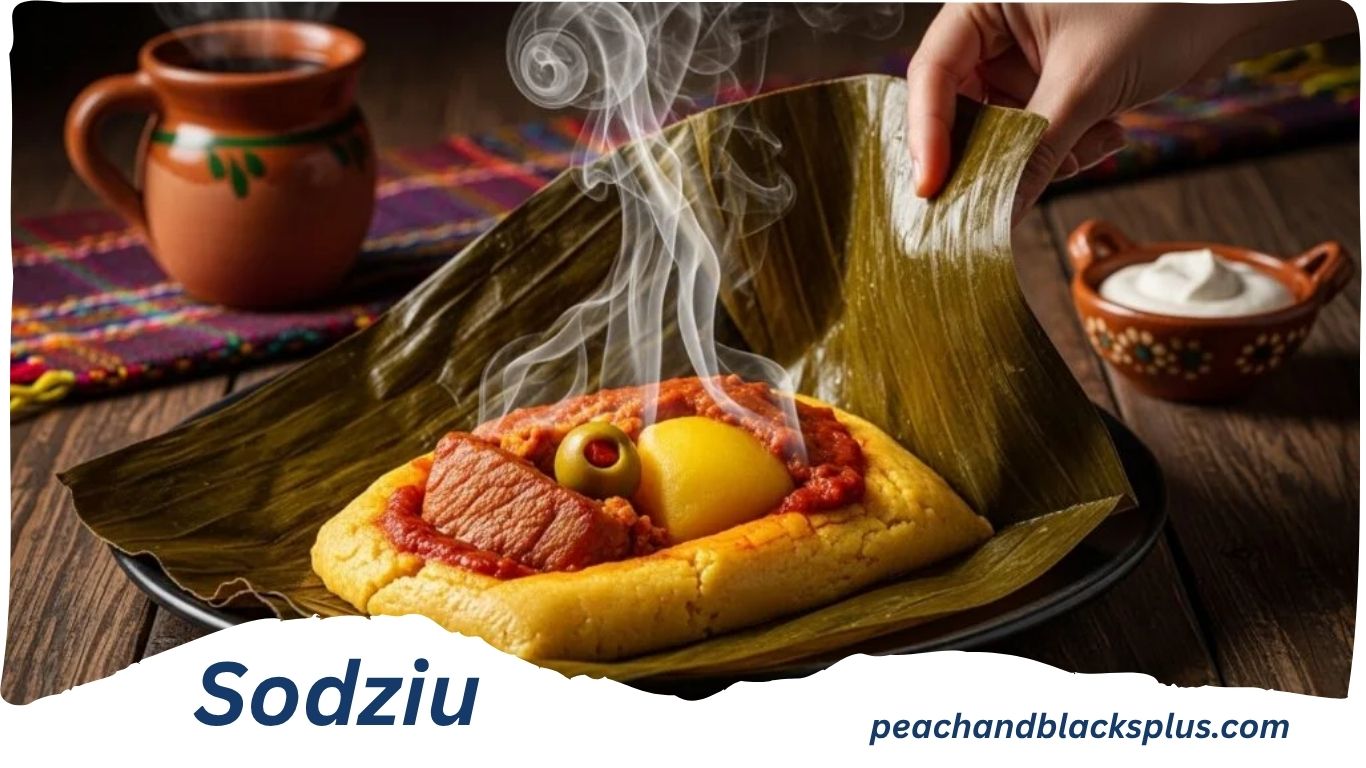
Sodziu: A Complete Guide to Authentic Village-Style Cuisine, Culture, and Traditional Recipes
Sodziu is a term closely associated with traditional village-style cooking that celebrates fresh, locally sourced ingredients, simple preparation methods, and comforting homemade meals. While many modern food trends focus on complicated recipes or expensive ingredients, sodziu cuisine remains rooted in authenticity, sustainability, and family traditions.
One of the most recognized characteristics of sodziu cuisine is its rich, hearty stews and soups that provide comfort throughout every season. These meals often feature vegetables harvested from local gardens, fresh herbs, grains, potatoes, mushrooms, dairy products, and responsibly sourced meats. Every dish tells a story of community, seasonal living, and generations of culinary knowledge.
Today, interest in sodziu has grown beyond rural communities. Home cooks, professional chefs, food historians, and travelers appreciate its natural ingredients, wholesome flavors, and healthy cooking philosophy. As people increasingly seek authentic dining experiences and sustainable food practices, sodziu cuisine has become more relevant than ever.
This comprehensive guide explores everything you should know about sodziu, including its origins, cooking traditions, signature dishes, ingredients, nutritional value, modern adaptations, cooking techniques, cultural significance, and practical recipes.
Whether you’re discovering sodziu for the first time or looking to recreate authentic village-inspired meals at home, this guide provides valuable insights that go beyond the information typically available online.
What Is Sodziu?
Sodziu refers to a traditional village-style culinary approach centered around fresh, seasonal, and locally available ingredients. Rather than relying on processed foods or artificial flavors, sodziu cooking emphasizes natural taste, slow cooking, and recipes passed down through generations.
Unlike modern fast food culture, sodziu focuses on creating meals that nourish both the body and the community. Cooking is often viewed as a shared family activity where recipes evolve while preserving their original spirit.
At its core, sodziu cuisine reflects several important values:
- Fresh ingredients
- Seasonal cooking
- Homemade meals
- Sustainable farming
- Community gatherings
- Family traditions
- Minimal food waste
- Slow cooking methods
These principles continue to influence modern home kitchens around the world.
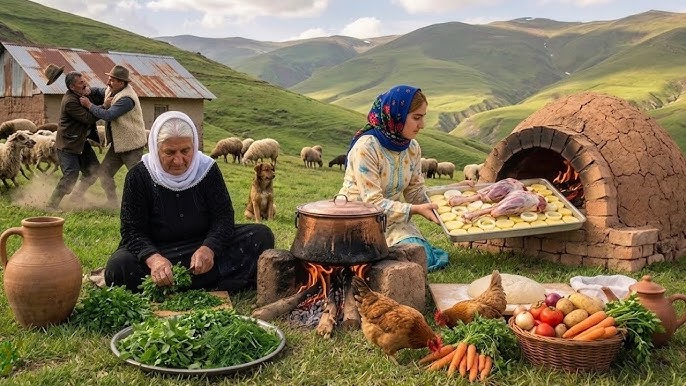
The Meaning Behind Sodziu
The philosophy of sodziu goes beyond food.
It represents a lifestyle where people live closer to nature, cook according to the seasons, and value homemade meals over processed convenience foods.
Every ingredient has a purpose.
Every meal reflects the local environment.
Every recipe carries history.
Instead of chasing trends, sodziu embraces timeless cooking practices that continue to provide delicious and nutritious meals generation after generation.
History of Sodziu Cuisine
The roots of sodziu cuisine stretch back hundreds of years, when rural families depended almost entirely on what they could grow, gather, raise, or preserve.
Also Read:Mila Volovich: A Complete Guide to Her Background, Career, Public Recognition, and Lasting Influence
Without supermarkets, communities relied on:
- Home gardens
- Forest mushrooms
- Fresh dairy
- Local grains
- Seasonal vegetables
- River fish
- Farm animals
- Wild berries
- Herbs
Cooking methods developed naturally around available resources.
Large pots of soup simmered for hours.
Stews cooked slowly over open fires.
Fresh bread baked daily.
Vegetables were fermented for winter.
Nothing was wasted.
This practical yet flavorful cooking style eventually became recognized as the foundation of sodziu cuisine.
Why Sodziu Cuisine Is Becoming Popular Again
Modern consumers increasingly appreciate food that is:
- Fresh
- Healthy
- Sustainable
- Authentic
- Homemade
- Environmentally friendly
These values perfectly align with traditional sodziu cooking.
Several factors explain its growing popularity.
Interest in Farm-to-Table Dining
People now prefer meals prepared from local farms instead of highly processed ingredients.
Sodziu naturally supports this approach.
Healthy Eating Habits
Whole vegetables, lean proteins, grains, and natural dairy products form the foundation of many sodziu recipes.
Sustainable Living
Reducing food waste and supporting local agriculture makes sodziu an environmentally responsible culinary tradition.
Comfort Food
Rich soups and hearty stews provide warmth, satisfaction, and emotional comfort.
Cultural Exploration
Travelers increasingly seek authentic local cuisines instead of commercial restaurant chains.
Core Principles of Sodziu Cooking
Understanding sodziu means understanding its cooking philosophy.
Seasonal Ingredients
Recipes change naturally throughout the year.
Spring offers fresh greens.
Summer provides vegetables and herbs.
Autumn brings mushrooms and root vegetables.
Winter relies on preserved foods and warming soups.
Simple Preparation
Recipes rarely require complicated techniques.
Natural flavors remain the focus.
Slow Cooking
Many dishes simmer for several hours.
This develops deeper flavors while creating tender textures.
Homemade First
Prepared meals are preferred over packaged alternatives.
Community
Cooking often involves multiple family members working together.
Signature Characteristics of Sodziu Cuisine
Several features distinguish sodziu from other traditional cuisines.
Rich Soups
Soups often include:
- Potatoes
- Carrots
- Cabbage
- Herbs
- Cream
- Meat
- Mushrooms
Hearty Stews
Stews combine vegetables with meat or legumes for filling family meals.
Fresh Herbs
Parsley, dill, thyme, and chives frequently enhance flavor naturally.
Homemade Bread
Fresh bread complements nearly every meal.
Preserved Foods
Pickled vegetables and fermented products help families enjoy seasonal produce year-round.
Essential Ingredients Used in Sodziu
The beauty of sodziu comes from ordinary ingredients prepared exceptionally well.
Common vegetables include:
- Potatoes
- Carrots
- Onions
- Garlic
- Cabbage
- Beets
- Turnips
- Peas
Popular herbs include:
- Dill
- Parsley
- Bay leaves
- Thyme
- Marjoram
Proteins include:
- Beef
- Pork
- Chicken
- Fish
- Eggs
- Beans
- Lentils
Dairy products include:
- Butter
- Sour cream
- Cheese
- Milk
- Yogurt
Grains include:
- Barley
- Rye
- Oats
- Wheat
- Buckwheat
These ingredients create balanced, satisfying meals suitable for everyday cooking.
Traditional Sodziu Stews
Stews are one of the defining features of sodziu cuisine. They are filling, nutritious, and designed to bring families together around the dinner table. Unlike many modern recipes that rely on shortcuts, traditional sodziu stews are cooked slowly, allowing every ingredient to develop deep, natural flavors.
A typical sodziu stew often includes:
- Beef or pork
- Potatoes
- Carrots
- Onions
- Garlic
- Cabbage
- Fresh herbs
- Homemade broth
The slow cooking process creates tender meat while allowing vegetables to absorb the rich flavors of the broth.
Famous Sodziu Soups
Soups hold a special place in sodziu cooking. They are served throughout the year, although recipes often change with the seasons.
Some common varieties include:
Vegetable Soup
Made with seasonal vegetables and fresh herbs, this soup is light yet satisfying.
Mushroom Soup
Wild mushrooms collected during autumn provide an earthy flavor that is difficult to replicate with cultivated mushrooms.
Cabbage Soup
A comforting recipe prepared with cabbage, potatoes, onions, carrots, and herbs.
Meat Broth Soup
Slow-cooked meat broth combined with vegetables creates a nutritious everyday meal.
Cream-Based Soup
Fresh cream or sour cream adds richness without overpowering the natural flavors of vegetables.
Traditional Cooking Methods in Sodziu
The cooking techniques are simple but highly effective.
Slow Simmering
Most soups and stews cook for several hours over low heat.
Benefits include:
- Better flavor
- Tender meat
- Softer vegetables
- Rich broth
Baking
Fresh bread, pies, and casseroles are often baked using traditional methods.
Roasting
Root vegetables become sweeter and more flavorful when roasted slowly.
Fermenting
Vegetables like cabbage and cucumbers are preserved naturally for winter use.
Pickling
Homemade pickles provide flavor and additional nutrients throughout the year.
Why Local Ingredients Matter in Sodziu
One of the strongest values behind sodziu cuisine is supporting local food production.
Fresh ingredients generally offer:
- Better flavor
- Higher nutritional value
- Fewer preservatives
- Lower environmental impact
Buying locally also strengthens farming communities and helps preserve traditional agriculture.
Seasonal Sodziu Meals
Every season offers different ingredients, making sodziu cuisine naturally diverse.
Spring
Fresh greens begin appearing after winter.
Popular ingredients include:
- Chives
- Spinach
- Lettuce
- Young onions
- Fresh herbs
Meals become lighter while still maintaining traditional flavors.
Summer
Gardens produce an abundance of vegetables.
Summer favorites include:
- Tomatoes
- Cucumbers
- Peppers
- Green beans
- Fresh berries
Cold soups may also appear during hot weather.
Autumn
Autumn is harvest season.
Common ingredients include:
- Mushrooms
- Pumpkins
- Potatoes
- Apples
- Root vegetables
This is often considered the richest season for sodziu cooking.
Winter
Winter meals focus on warmth and preservation.
Families enjoy:
- Thick stews
- Rich soups
- Fermented vegetables
- Smoked meats
- Homemade bread
These meals provide comfort during colder months.
Health Benefits of Sodziu Cuisine
One reason sodziu continues gaining attention is its nutritional balance.
High in Vegetables
Vegetables provide:
- Vitamins
- Minerals
- Fiber
- Antioxidants
Natural Ingredients
Traditional recipes avoid unnecessary artificial ingredients.
Balanced Meals
Many dishes include vegetables, protein, grains, and healthy fats in one serving.
Lower Processed Food Consumption
Preparing meals from scratch reduces dependence on processed products.
Rich in Fiber
Whole vegetables and grains help support healthy digestion.
Protein Sources
Meat, beans, eggs, and dairy provide essential amino acids for muscle maintenance.
Is Sodziu Good for Modern Healthy Eating?
Yes.
Many nutrition experts encourage eating patterns that closely resemble traditional village cooking because they emphasize whole foods rather than highly processed products.
However, recipes can be adjusted to fit individual dietary goals.
For example:
- Use lean meat instead of fatty cuts.
- Reduce added salt.
- Increase vegetables.
- Replace heavy cream with yogurt when desired.
- Include more legumes for plant-based protein.
These simple changes preserve the spirit of sodziu while meeting modern nutritional recommendations.
Sustainability in Sodziu Cooking
Long before sustainability became a global movement, sodziu communities practiced environmentally friendly cooking.
Examples include:
Using Seasonal Produce
Foods are harvested when naturally available.
Reducing Waste
Vegetable scraps may be used for broth, while leftover meals are creatively repurposed.
Supporting Local Farmers
Buying nearby reduces transportation and supports rural economies.
Home Gardening
Many families grow herbs and vegetables themselves.
Food Preservation
Fermentation, drying, freezing, and pickling reduce waste and extend food availability.
These traditions remain valuable today as more people seek sustainable lifestyles.
Sodziu and Family Traditions
Food is more than nutrition in sodziu culture.
Preparing meals often becomes a family event.
Children learn recipes from parents and grandparents.
Cooking together encourages:
- Family bonding
- Cultural preservation
- Shared responsibility
- Appreciation for homemade food
Holiday meals are especially important, with recipes often passed down through several generations.
Also Read:Merfez: Origin, Cultural Importance, Handmade Textiles, and Design Philosophy
Modern Sodziu Cuisine
Today’s chefs continue honoring traditional sodziu while introducing creative updates.
Modern interpretations may include:
- Vegetarian stews
- Plant-based soups
- Organic ingredients
- Artisan breads
- Gourmet presentations
- Health-conscious recipes
Despite these innovations, the core philosophy remains unchanged: simple ingredients prepared with care.
Popular Foods That Pair Well with Sodziu Meals
Traditional meals are often served with complementary side dishes.
Popular options include:
- Homemade rye bread
- Buttered potatoes
- Pickled cucumbers
- Fermented cabbage
- Fresh salads
- Soft cheeses
- Herbal teas
- Berry preserves
These additions create balanced and satisfying meals.
How to Cook a Simple Sodziu Stew at Home
You do not need professional cooking skills to prepare a delicious sodziu-inspired stew.
Ingredients
- 1 pound beef or chicken
- 4 potatoes
- 2 carrots
- 1 onion
- 3 garlic cloves
- 2 cups cabbage
- 4 cups homemade broth
- Fresh dill
- Parsley
- Salt
- Black pepper
- Bay leaf
Instructions
- Brown the meat in a large pot.
- Add chopped onions and garlic.
- Stir in carrots and cabbage.
- Pour in the broth.
- Add potatoes and bay leaf.
- Simmer on low heat for about two hours.
- Season with salt and pepper.
- Garnish with fresh dill and parsley before serving.
The result is a comforting meal that captures the heart of sodziu cooking.
Tips for Authentic Sodziu Flavor
To achieve an authentic taste, keep these tips in mind:
- Use fresh seasonal ingredients whenever possible.
- Cook slowly instead of rushing the process.
- Avoid excessive seasoning.
- Let vegetables remain the stars of the dish.
- Use homemade broth for deeper flavor.
- Finish meals with fresh herbs rather than dried ones.
- Serve with homemade bread whenever possible.
Common Mistakes to Avoid
Even simple recipes can lose their authentic character if prepared incorrectly.
Avoid these common mistakes:
- Cooking over high heat.
- Using too many processed ingredients.
- Over-seasoning with artificial flavorings.
- Skipping fresh herbs.
- Replacing homemade broth with heavily processed stock.
- Ignoring seasonal ingredients.
- Overcooking vegetables until they lose texture.
Following traditional techniques helps preserve the natural character of sodziu cuisine.
Sodziu Recipes for Every Season
One of the greatest strengths of sodziu cuisine is its flexibility throughout the year. Since it focuses on seasonal ingredients, every season offers new flavors and recipes while maintaining the same traditional cooking philosophy.
Spring Recipes
Spring represents renewal, and sodziu meals become lighter after the heavier foods of winter.
Popular spring dishes include:
- Fresh herb soup
- Potato and dill stew
- Green pea soup
- Spring vegetable casserole
- Creamy spinach soup
Fresh herbs such as parsley, dill, and chives become key ingredients during this season.
Summer Recipes
Summer provides an abundance of vegetables straight from the garden.
Common summer sodziu meals include:
- Fresh vegetable soup
- Tomato stew
- Stuffed peppers
- Roasted zucchini
- Garden vegetable casserole
- Cucumber and yogurt soup
Summer recipes often require shorter cooking times because vegetables are naturally tender and flavorful.
Autumn Recipes
Autumn is often considered the best season for traditional sodziu cooking because fresh harvests are plentiful.
Popular dishes include:
- Mushroom stew
- Pumpkin soup
- Beef and root vegetable stew
- Roasted beet soup
- Apple and cabbage bake
Root vegetables become sweeter after harvest, making autumn meals especially rich.
Winter Recipes
Cold weather calls for warming comfort food.
Winter favorites include:
- Slow-cooked beef stew
- Thick cabbage soup
- Barley soup
- Potato soup
- Smoked meat stew
- Creamy mushroom soup
These recipes are designed to provide warmth, energy, and nourishment during colder months.
Traditional Herbs and Spices Used in Sodziu
Unlike cuisines that rely heavily on strong spices, sodziu cuisine focuses on enhancing the natural flavors of ingredients.
The most common herbs include:
- Dill
- Parsley
- Thyme
- Bay leaves
- Chives
- Marjoram
Common seasonings include:
- Sea salt
- Black pepper
- Garlic
- Onion
The goal is to complement the ingredients rather than overpower them.
Homemade Bread in Sodziu Cuisine
Bread is much more than a side dish.
It is considered an essential part of nearly every meal.
Traditional homemade bread often features:
- Rye flour
- Whole wheat flour
- Natural sourdough starter
- Seeds
- Oats
Fresh bread pairs perfectly with hearty soups and stews by soaking up flavorful broths.
Many families still bake bread using recipes passed down through generations.
Preserving Food the Traditional Sodziu Way
Long before refrigeration became common, families developed effective preservation techniques.
These methods remain popular today because they reduce food waste and preserve flavor.
Fermentation
Fermented vegetables are rich in beneficial bacteria and have a distinctive tangy taste.
Common fermented foods include:
- Cabbage
- Cucumbers
- Carrots
Drying
Herbs, mushrooms, and berries can be dried for year-round use.
Freezing
Modern households often freeze seasonal vegetables to maintain freshness.
Pickling
Pickled vegetables provide a flavorful addition to many meals.
These preservation methods reflect the sustainable values that define sodziu cuisine.
Sodziu and Sustainable Living
One reason sodziu continues attracting attention is its environmentally responsible approach to food.
Several sustainable practices are naturally built into this culinary tradition.
Supporting Local Farmers
Buying locally grown produce helps strengthen regional agriculture while reducing transportation emissions.
Eating Seasonally
Choosing ingredients that naturally grow during each season reduces the need for imported foods.
Reducing Food Waste
Leftover vegetables become soup.
Extra bread becomes stuffing.
Bones become broth.
Nothing goes to waste whenever possible.
Growing Food at Home
Even a small garden can provide herbs, tomatoes, onions, or potatoes for traditional recipes.
These practices make sodziu highly relevant in today’s environmentally conscious world.
Sodziu in Modern Restaurants
Many restaurants now feature village-inspired dishes influenced by sodziu traditions.
Modern chefs often combine traditional recipes with contemporary presentation.
Examples include:
- Gourmet vegetable stews
- Artisan mushroom soups
- Organic root vegetable dishes
- Slow-braised meats
- Homemade sourdough bread
- Seasonal tasting menus
This modern interpretation allows new generations to appreciate traditional flavors.
How Sodziu Supports Healthy Eating
Nutrition experts often recommend eating more whole foods and fewer processed products.
Sodziu naturally follows this advice.
A typical sodziu meal includes:
- Lean protein
- Fresh vegetables
- Whole grains
- Healthy fats
- Fresh herbs
This combination supports:
- Heart health
- Healthy digestion
- Stable energy levels
- Better immune function
- Balanced nutrition
The emphasis on home cooking also allows families to control ingredients, portion sizes, and sodium levels.
Why Home Cooks Love Sodziu
Many people appreciate sodziu because it is practical as well as delicious.
Benefits include:
- Budget-friendly ingredients
- Easy cooking methods
- Large family portions
- Excellent leftovers
- Nutritious meals
- Minimal food waste
Most recipes require everyday ingredients rather than expensive specialty products.
Sodziu for Beginners
If you’re new to sodziu cuisine, start with simple recipes before attempting more traditional family dishes.
Begin with:
- Vegetable soup
- Potato stew
- Mushroom soup
- Homemade broth
- Fresh bread
Once comfortable with these basics, experiment with seasonal vegetables and slow-cooked meats.
Bringing Sodziu into Your Weekly Meal Plan
You don’t need to completely change your eating habits to enjoy sodziu cuisine. Adding a few traditional meals each week is an easy way to experience its benefits.
Here is an example meal plan:
Monday
Vegetable soup with homemade whole-grain bread.
Tuesday
Chicken and potato stew with fresh herbs.
Wednesday
Barley and mushroom soup served with a side salad.
Also Read:TxMyZone: Complete Guide to the Student Portal for Grades, Attendance & Login
Thursday
Roasted root vegetables with a light yogurt sauce.
Friday
Fish stew with carrots, onions, and fresh dill.
Saturday
Slow-cooked beef stew with cabbage and potatoes.
Sunday
Family-style vegetable casserole with homemade bread and seasonal fruit for dessert.
This balanced approach keeps meals interesting while highlighting the simplicity of sodziu cooking.
The Future of Sodziu Cuisine
As more people embrace healthy eating, sustainability, and locally sourced food, sodziu is well-positioned to remain relevant for years to come.
Future trends may include:
- More plant-based sodziu recipes
- Organic ingredient sourcing
- Farm-to-table restaurant experiences
- Digital recipe collections preserving family traditions
- Cooking classes focused on village-style cuisine
- Greater international recognition of traditional regional cooking
The enduring appeal of sodziu lies in its ability to adapt without losing its core values: fresh ingredients, slow cooking, and sharing meals with family and friends.
Frequently Asked Questions About Sodziu
What makes sodziu cuisine different from other traditional cuisines?
Sodziu cuisine emphasizes seasonal, locally sourced ingredients, slow cooking methods, and simple recipes that highlight natural flavors rather than heavy seasoning.
Is sodziu cuisine suitable for vegetarians?
Yes. Many traditional sodziu dishes use vegetables, grains, mushrooms, legumes, and dairy products, making it easy to prepare satisfying vegetarian meals.
Can beginners cook sodziu recipes?
Absolutely. Most recipes use everyday ingredients and straightforward cooking techniques, making them ideal for home cooks of all skill levels.
Why are soups and stews so important in sodziu?
Soups and stews are economical, nutritious, and versatile. They allow families to use seasonal produce efficiently while creating filling meals that can feed several people.
Does sodziu cuisine support sustainable living?
Yes. It encourages seasonal eating, local sourcing, food preservation, and reducing waste, all of which contribute to a more sustainable food system.
Can I adapt sodziu recipes for modern diets?
Yes. You can use lean proteins, increase vegetables, reduce salt, or create fully plant-based versions while maintaining the traditional spirit of the cuisine.
What kitchen tools are most useful for cooking sodziu meals?
A large soup pot, Dutch oven, wooden spoon, sharp knife, cutting board, and slow cooker are excellent tools for preparing many sodziu recipes.
Are sodziu dishes expensive to prepare?
No. Most recipes rely on affordable staples like potatoes, carrots, onions, cabbage, grains, herbs, and locally available proteins, making them budget-friendly for families.
Conclusion
Sodziu is much more than a style of cooking—it is a reflection of a lifestyle built on fresh ingredients, seasonal harvests, slow preparation, and strong community values. From its famous hearty stews and nourishing soups to its emphasis on homemade bread, preserved vegetables, and locally sourced produce, sodziu cuisine offers a timeless approach to healthy and satisfying meals.
In today’s fast-paced world, the principles behind sodziu are more relevant than ever. Home cooks are rediscovering the value of cooking from scratch, supporting local farmers, reducing food waste, and sharing meals with loved ones. These traditions not only create flavorful dishes but also encourage a more sustainable and balanced way of living.
Whether you are preparing a comforting winter stew, a light summer vegetable soup, or simply experimenting with fresh seasonal herbs, embracing sodziu can transform the way you think about food. Its focus on simplicity, quality, and authenticity proves that the most memorable meals often come from humble ingredients prepared with care.
By bringing sodziu into your kitchen, you are not only enjoying delicious recipes but also preserving a culinary philosophy that celebrates nature, family, and the enduring joy of homemade cooking.