Merfez: Origin, Cultural Importance, Handmade Textiles, and Design Philosophy
The word merfez is gaining attention among people interested in culture, design, creativity, architecture, and modern lifestyle trends. Although it is not yet a widely recognized English dictionary term, many people search for merfez because they want to understand its meaning, history, and practical applications.
Based on its linguistic roots, merfez appears to be connected to the Turkish word “merkez,” which means center or hub. Over time, the idea behind merfez has evolved beyond simply describing a physical location. Today, it can represent a central place where people, ideas, creativity, traditions, and innovation come together.
In recent years, merfez has also appeared in discussions about handmade textiles, interior decoration, cultural craftsmanship, community spaces, and creative design. Because of its flexible meaning, it has become an interesting concept that fits many industries, including architecture, home décor, education, digital collaboration, and business innovation.
This comprehensive guide explains everything you need to know about merfez, including its possible origins, cultural importance, practical uses, modern interpretations, and future potential.
What Is Merfez?
Merfez is generally understood as a concept that represents a center, gathering place, or important point where different elements connect together.
Unlike ordinary words that describe only one object, merfez carries a broader meaning. It may describe:
- A creative workspace
- A cultural center
- A home filled with handmade decorations
- A design philosophy
- A collaborative environment
- A symbolic meeting point for ideas
Rather than limiting merfez to one definition, many people see it as a flexible concept that adapts to different environments.
For example, in a family home, the living room may become the merfez because it is where everyone gathers.
In a company, the innovation department may become the merfez because new ideas are created there.
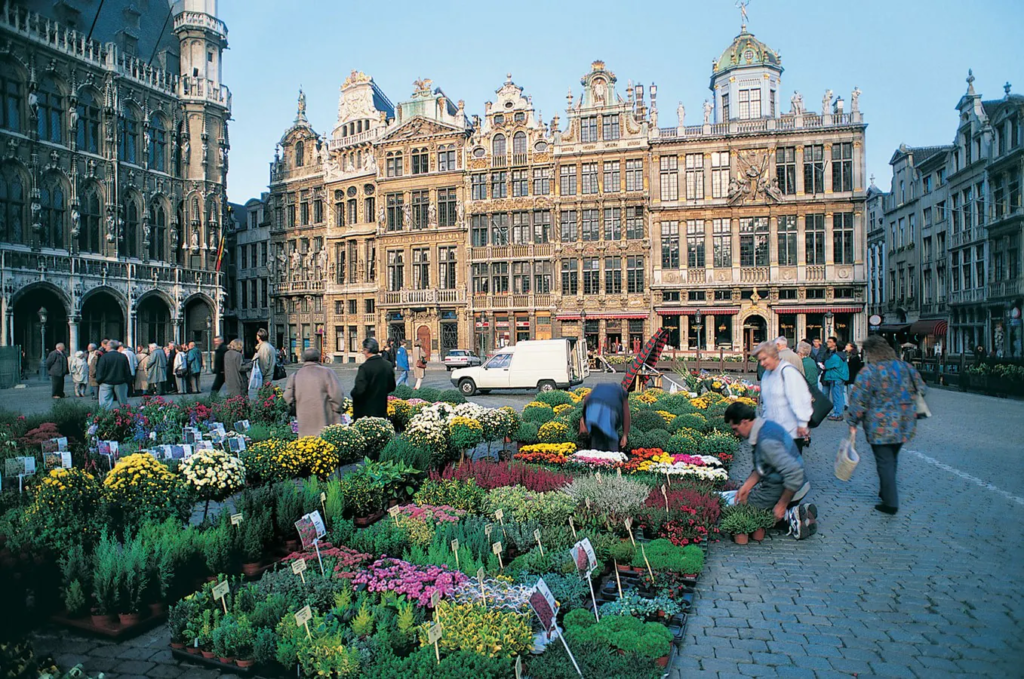
In a city, a public square could serve as the merfez because it brings together residents and visitors.
The Possible Origin of Merfez
One of the most interesting aspects of merfez is its connection to language.
Many researchers believe the word has roots in the Turkish word “merkez.”
Merkez simply means center.
Over time, pronunciation changes, regional dialects, and cultural influences may have contributed to variations like merfez.
Also Read:TxMyZone: Complete Guide to the Student Portal for Grades, Attendance & Login
Even though merfez is not a standard Turkish spelling, its meaning continues to reflect the original idea of centrality.
This evolution is common in language.
Words often change slightly while keeping their original meaning.
Because of this linguistic connection, merfez continues to symbolize a place where everything comes together.
Why the Idea of Merfez Matters Today
Modern life often feels busy and disconnected.
People work remotely.
Families spend less time together.
Communities become more digital.
Because of these changes, people increasingly appreciate spaces that encourage connection.
This is where merfez becomes meaningful.
Instead of simply describing a location, it represents balance, unity, communication, creativity, and belonging.
Whether physical or digital, every successful community usually has a merfez that helps people stay connected.
Merfez in Home Design
One of the most interesting modern uses of merfez appears in interior design.
Many designers use the concept to create homes where comfort and connection become the highest priorities.
Instead of decorating every room separately, they design one central area that naturally attracts family members and guests.
This central space often includes:
- Comfortable seating
- Handmade textiles
- Natural lighting
- Warm colors
- Local artwork
- Wooden furniture
- Decorative rugs
- Cultural accessories
These elements create a welcoming atmosphere that encourages conversation and relaxation.
Handmade Textiles and Merfez
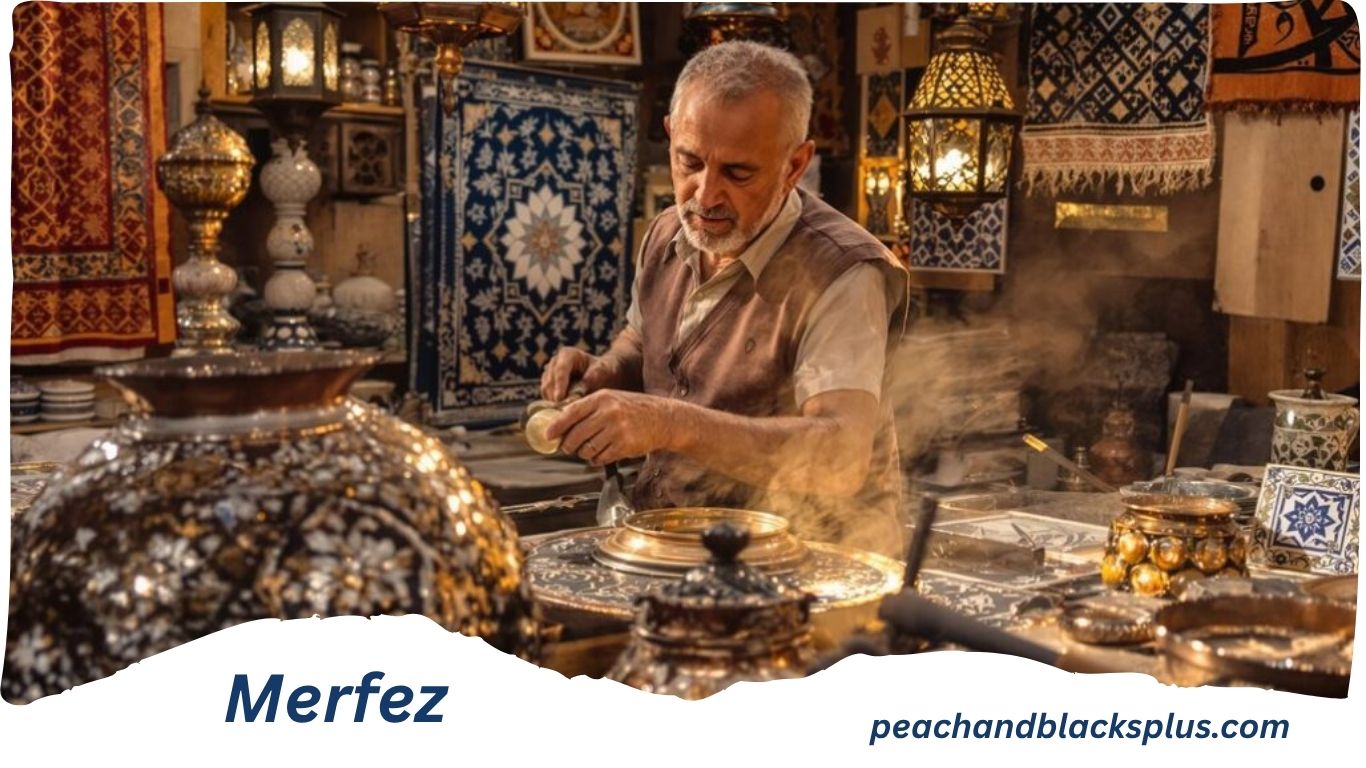
Handmade textiles are one of the strongest cultural associations with merfez.
These handcrafted items often include:
- Woven rugs
- Decorative cushions
- Embroidered tablecloths
- Traditional blankets
- Wall hangings
- Artisan fabrics
Unlike factory-made decorations, handmade textiles tell stories.
Every pattern, color, and stitch reflects history, family traditions, and regional craftsmanship.
Using handmade textiles inside a merfez-inspired home adds warmth, authenticity, and personality.
Merfez as a Cultural Hub
Throughout history, civilizations have built gathering places where people could share knowledge and celebrate traditions.
Examples include:
- Town squares
- Community halls
- Libraries
- Art studios
- Cultural centers
- Marketplaces
Each of these places functions as a merfez because they connect people through shared experiences.
These spaces strengthen communities and preserve cultural heritage for future generations.
Merfez in Architecture
Architects often design buildings around a central feature.
This might be:
- A courtyard
- An open garden
- A public plaza
- A grand staircase
- A community hall
- A central lobby
This design philosophy improves movement throughout the building while encouraging interaction.
The central area naturally becomes the merfez of the structure.
Modern architectural trends continue to embrace open layouts because they improve communication and create a more welcoming environment.
Merfez and Minimalist Living
Minimalism focuses on owning fewer possessions while creating more meaningful experiences.
The concept of merfez fits perfectly with this lifestyle.
Instead of filling every room with furniture, people create one beautiful, functional center where daily activities naturally occur.
This approach reduces clutter while increasing comfort.
It also encourages families to spend more quality time together.
Merfez in Modern Workplaces
Businesses increasingly recognize the importance of collaboration.
Many offices now include:
- Innovation labs
- Collaboration rooms
- Coffee lounges
- Open meeting spaces
- Creative studios
These locations often become the merfez of the organization.
Employees gather there to exchange ideas, solve problems, and build stronger relationships.
Companies that create collaborative centers often improve teamwork and productivity.
Merfez in Digital Communities
Technology has expanded the meaning of merfez.
Today, a central gathering place does not always need to be physical.
Online communities can also have a merfez.
Examples include:
- Community forums
- Team workspaces
- Learning platforms
- Collaboration software
- Creative communities
These digital centers allow people from around the world to connect, learn, and share ideas.
Merfez and Education
Schools and universities benefit greatly from central learning spaces.
Examples include:
- Libraries
- Student centers
- Innovation hubs
- Maker spaces
- Research labs
These locations encourage curiosity and collaboration.
Students naturally gather there to exchange ideas, complete projects, and discover new knowledge.
A well-designed educational merfez supports lifelong learning.
Merfez in Interior Decoration
Interior decorators increasingly combine traditional craftsmanship with modern furniture.
Popular design features include:
- Earth-tone colors
- Linen fabrics
- Natural wood
- Handmade pottery
- Artisan rugs
- Indoor plants
- Stone textures
- Soft lighting
Together, these elements create peaceful spaces that reflect the values behind merfez.
Key Characteristics of Merfez
Several qualities consistently appear whenever people describe merfez.
These include:
- Centrality
- Warmth
- Community
- Creativity
- Functionality
- Tradition
- Innovation
- Accessibility
- Simplicity
- Collaboration
Rather than focusing on luxury, merfez emphasizes meaningful experiences.
Also Read:Zuhio Keyword Count Checker: The Complete Guide to Better SEO Content Optimization in 2026
Benefits of Applying the Merfez Concept
There are many advantages to organizing spaces around a central hub.
Some of the biggest benefits include:
Better Communication
People naturally interact more often when they share a comfortable central area.
Improved Organization
A clear center makes homes, offices, and communities easier to navigate.
Stronger Relationships
Shared spaces encourage conversations and collaboration.
Greater Creativity
Creative environments often inspire better ideas.
Better Mental Well-Being
Comfortable gathering places reduce stress and encourage relaxation.
Higher Productivity
Employees and students collaborate more effectively when central spaces are thoughtfully designed.
Merfez in Hospitality
Hotels, cafés, and restaurants often create memorable central spaces.
Examples include:
- Cozy lounges
- Open courtyards
- Shared dining areas
- Reading corners
- Fireplace seating
These spaces encourage guests to stay longer and enjoy meaningful experiences.
Instead of focusing only on appearance, hospitality designers increasingly prioritize comfort and community.
Merfez and Sustainable Living
Sustainability has become an important part of modern design.
The merfez concept supports eco-friendly living by encouraging:
- Handmade products
- Local materials
- Durable furniture
- Natural fabrics
- Traditional craftsmanship
- Reduced waste
These practices support local artisans while reducing environmental impact.
Common Materials Used in Merfez-Inspired Spaces
Many designers prefer natural materials.
Popular choices include:
- Oak
- Walnut
- Cotton
- Linen
- Wool
- Clay
- Stone
- Bamboo
- Leather
- Recycled wood
Natural materials create warm environments that remain attractive for many years.
How to Create Your Own Merfez at Home
Creating a personal merfez does not require expensive renovations.
Start by selecting one central area inside your home.
Next:
- Remove unnecessary clutter.
- Add comfortable seating.
- Include handmade textiles.
- Use soft lighting.
- Display meaningful artwork.
- Add indoor plants.
- Choose natural materials.
- Create space for conversation.
Small improvements often produce the biggest results.
Merfez for Small Apartments
Even compact homes can benefit from the concept.
Use one corner as the central gathering area.
Choose multi-purpose furniture.
Use mirrors to increase natural light.
Keep decorations simple.
Add one handcrafted textile to create warmth.
A small but welcoming merfez often feels larger than a crowded room.
Merfez and Community Development
Urban planners increasingly recognize the importance of public gathering spaces.
Successful neighborhoods usually include:
- Parks
- Community gardens
- Public libraries
- Cultural centers
- Outdoor markets
- Walking plazas
These places become the social merfez of the community.
They improve social interaction while strengthening local identity.
Future Trends for Merfez
As people seek healthier lifestyles and stronger communities, the idea of merfez is likely to grow.
Future trends may include:
- Smart community centers
- Eco-friendly architecture
- Hybrid work hubs
- Artisan-inspired home décor
- AI-supported collaboration spaces
- Flexible living environments
- Wellness-focused interiors
- Sustainable handmade furnishings
Rather than disappearing, the concept continues evolving with changing lifestyles.
Common Misunderstandings About Merfez
Many people assume merfez refers to only one specific object.
This is not accurate.
Others believe it is only related to Turkish culture.
While its roots appear connected to the Turkish word “merkez,” the underlying idea of a central gathering place exists in many cultures worldwide.
Some also think merfez only applies to home decoration.
In reality, it can describe physical spaces, digital communities, educational environments, workplaces, cultural centers, and even design philosophies.
Expert Perspective on Merfez
From a design and cultural perspective, merfez represents more than a location. It reflects a human need for connection. Every successful home, workplace, school, or community benefits from having a meaningful center where people naturally come together. As remote work, digital communication, and flexible living continue to grow, the value of thoughtfully designed central spaces becomes even greater.
Also Read:Incfidelibus: Meaning, Origin, History, Latin Usage, and Why This Rare Variant Appears Online
Rather than viewing merfez as a fixed definition, it is more useful to see it as a guiding principle for creating environments that encourage collaboration, creativity, comfort, and belonging. This broader interpretation helps explain why the concept continues to attract interest across different industries.
Frequently Asked Questions About Merfez
Is merfez an official dictionary word?
Merfez is not widely recognized in major English dictionaries. However, it is increasingly used as a cultural and design-related concept connected to the idea of a center or hub.
Does merfez always refer to a physical place?
No. Merfez can describe both physical and digital spaces where people, ideas, or activities come together.
Can businesses use the merfez concept?
Yes. Businesses can create collaborative workspaces, innovation labs, and shared meeting areas that function as a merfez for employees.
Why are handmade textiles connected with merfez?
Handmade textiles add warmth, tradition, and authenticity, making them a natural fit for spaces designed around comfort and community.
Is merfez useful for modern homes?
Yes. Whether you live in a large house or a small apartment, creating a central gathering space can improve comfort and encourage family interaction.
Can merfez support sustainable design?
Yes. The concept encourages the use of natural materials, handcrafted products, durable furniture, and locally made décor, all of which contribute to sustainability.
Can merfez inspire community projects?
Absolutely. Community centers, libraries, public parks, and neighborhood gathering places can all be designed using the principles behind merfez to strengthen social connections.
Is merfez suitable for remote work environments?
Yes. Many home offices and coworking spaces use a central collaboration area that reflects the ideas associated with merfez, helping remote teams communicate more effectively.
Final Thoughts
Merfez is more than an emerging keyword. It represents a timeless idea centered on connection, creativity, and shared experiences. With roots that appear linked to the Turkish word “merkez,” meaning center, the concept has expanded into architecture, interior design, handmade textiles, education, hospitality, business, and digital collaboration.
Its growing appeal comes from its flexibility. A merfez can be a welcoming living room, a vibrant community center, an innovation hub in a workplace, or an online platform where people exchange knowledge and ideas. Across all these settings, the common thread is the creation of a meaningful center that brings people together.
As modern lifestyles continue to evolve, the principles behind merfez remain highly relevant. By combining thoughtful design, cultural appreciation, sustainability, and collaboration, the concept offers practical inspiration for creating spaces that are not only functional but also warm, inclusive, and lasting.